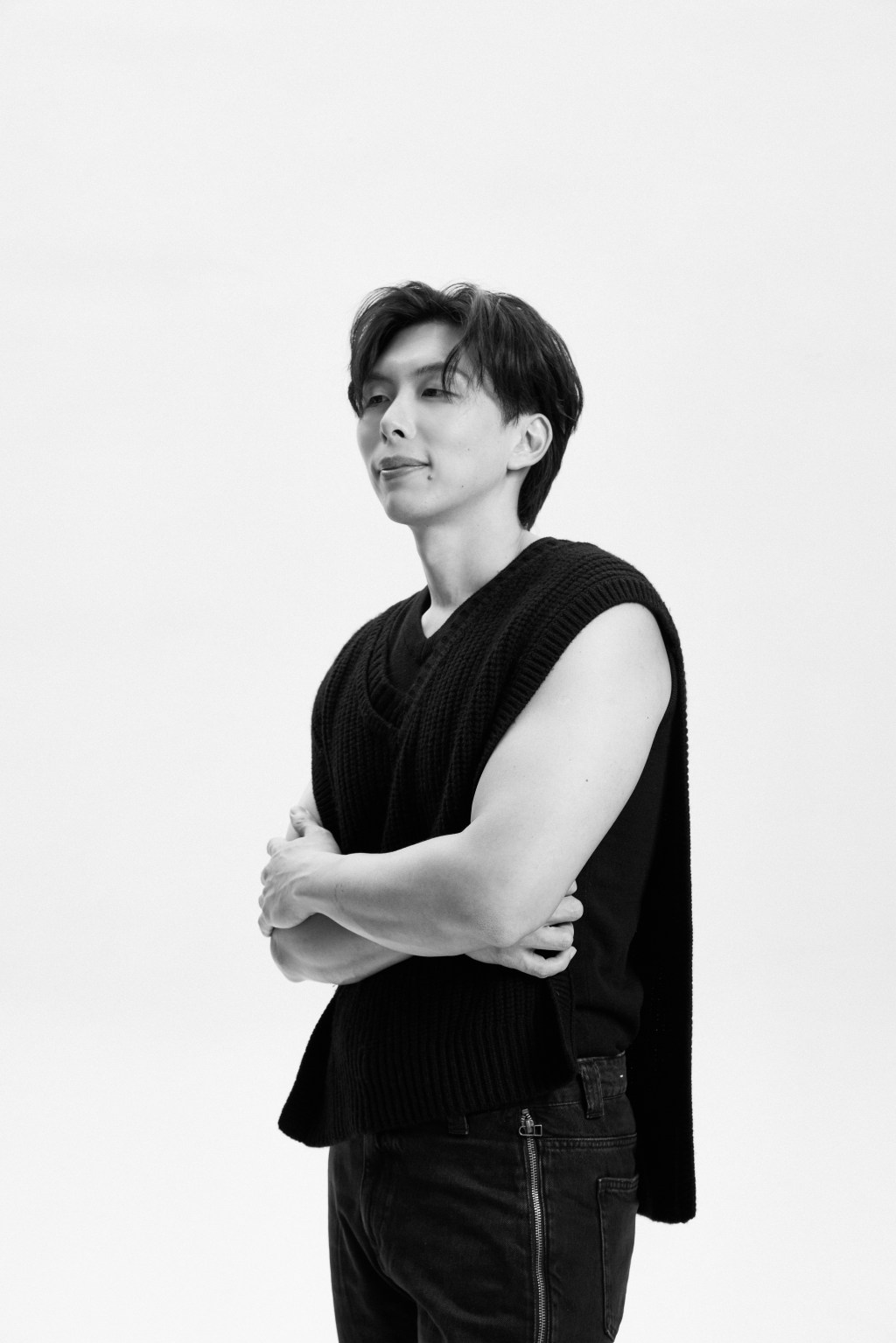
Get ready to meet Zachary! This incredibly talented artist is about to launch his music career with his debut single, “Like There’s No Tomorrow,” and we’re so excited to chat with him. We’ll be talking about everything from the song’s dreamy beach vibes to the emotions behind the music, and what’s next for this exciting new artist.
Your bio mentions capturing emotions “words alone cannot express.” Can you elaborate on that? What specific emotions or experiences have been particularly challenging or rewarding to translate into music?
To me, the human experience and emotions that come along with it are so incredibly nuanced and complex. One singular experience can involve joy, grief, love and hatred in beautifully intricate interplay. That’s exactly what music is to me. Sometimes I have trouble describing a certain emotional texture with words but adding a 9th to a major chord suddenly makes everything click. Then you add a melodic line on top of that and the picture gets even fuller. I absolutely love that process.
You wear two hats – singer-songwriter and producer. How does this dual role influence your creative process? Do you find that one informs the other significantly?
Being able to both write and produce has completely transformed my creative process and my sound. To me, writing and producing are two processes that are intertwined and every decision made in one aspect affects the other inextricably. I find that having the ability to do both allows me to approach my music holistically – my endgame is my song and the feelings it inspires, and I am able to harness both my songwriting and production as tools to achieve that goal. That to me is very powerful and gratifying, especially when it all comes together and I am able to express what I have written through performing the song.
Your music explores themes of vulnerability, resilience, conflict, and resolution. What inspires you to focus on these particular themes, and how do you approach them in your songwriting?
Honestly, just life. Life and love to me are things so precious that I never want to take them for granted. So I suppose writing about them, and making music about them, is sort of my little tribute to both of them. Life, and love, are entities bigger than any single person so it’s not so much how I approach them but rather how they approach me – I’ve always found that the best music I make is the one that comes most naturally to me, and that usually happens when something wondrous happens in life and love. Which often happens actually, in not just big events but in all the smallest things. And I love writing about them.
How has your experience as an emergency department doctor shaped your songwriting and artistic perspective? What specific insights or observations from your medical practice have found their way into your music?
I’ve been a doctor for 10 years now and there are so many things I’ve seen and experienced vicariously. From the giddy heights of indescribable joy to the plunging depths of debilitating grief, fortunately or unfortunately I’ve witnessed them all. And they’ve shaped not just my music by adding layers upon layers of complexity and nuance but in fact my very core, personality and perspective. Cultivating empathy has allowed me to write music that resonates with my listeners more, and writing more from another person’s point of view further nurtures empathy so really, it has been a very synergistic experience. I am always amazed that two things so different at first glance can have so many similarities.
Do you find that your medical work and your musical pursuits inform or complement each other in unexpected ways?
Absolutely. For one they use different hemispheres of my brain, one primarily logic and knowledge and the other artistic expression. Though interestingly a lot of medicine is art, much more so than most people think, so the overlap is a lot more significant than assumed. The art of expression is what I would say is the constant – it is present in both these aspects of my life and working on healing someone or writing and performing music hones this very precious art form. I am always grateful I have the chance to do both.
Does your experience with human vulnerability in the medical setting influence the way you approach vulnerability in your music?
I have learnt to open up. That was one of the hardest things to do when I first started writing. Nobody likes to talk about the skeletons in their closet. Then I realised that being vulnerable is really what allows us to learn that we should never take anything for granted. I learnt this value of being vulnerable from my patients and their families. Consequently, I have always reminded myself to respect that vulnerability in both my practice and my music.
What are your artistic goals for the future? Are there any specific projects or themes you’re hoping to explore?
I have always been inspired by artists who have meaningful big picture concepts when it comes to their music – for example, Ed Sheeran with his mathematical symbols, or Taylor Swift with her Eras. It gives purpose and context to the songs which is so important and makes them so much more relatable, personal and impactful. I do have something planned which I’m not able to reveal much about yet but which I am very excited about, covering themes I have touched on here and more, relating to life, love and everything in between.
What kind of impact do you hope your music will have on listeners?
I hope my music will mean something to my listeners. If it reminds you of your first love, brings you back to when you were ten, helps you through a difficult time, makes you cry or simply accompanies you while you’re studying or reading, I would have achieved what I had set out to do. I hope my music makes my listeners grateful to be alive.
Who are some of your musical influences, and how have they shaped your own style and approach?
My parents, first and foremost. They have great taste in music and thanks to them I grew up in a very musical environment – so much so that certain songs trigger very specific memories. It is as though I have my own personal time machine.
I enjoyed songs from Michael Learns To Rock to Ed Sheeran to Bon Iver to Hayd to JVKE and I have come to realise it is always about the vibe and emotion. The song does not have to be most complicated, it does not have to be absolutely perfect whether in pitch or timing – ironically, the imperfections make the song human and in doing so, perfect in its own way. These guys that I have mentioned are masters in that craft and I hope to write and produce my songs in a similar manner.
What advice would you give to aspiring singer-songwriters who are also navigating demanding careers?
You really have to want it. The process itself is challenging, and the naysayers do noy make it much easier. But it is worth it, because when you see your song resonate with another person whether it is just 1, or a 100 or a million people, it is one of the best feelings in the world.
Follow Zachary:
 Welcome to City Writer
Leave a comment