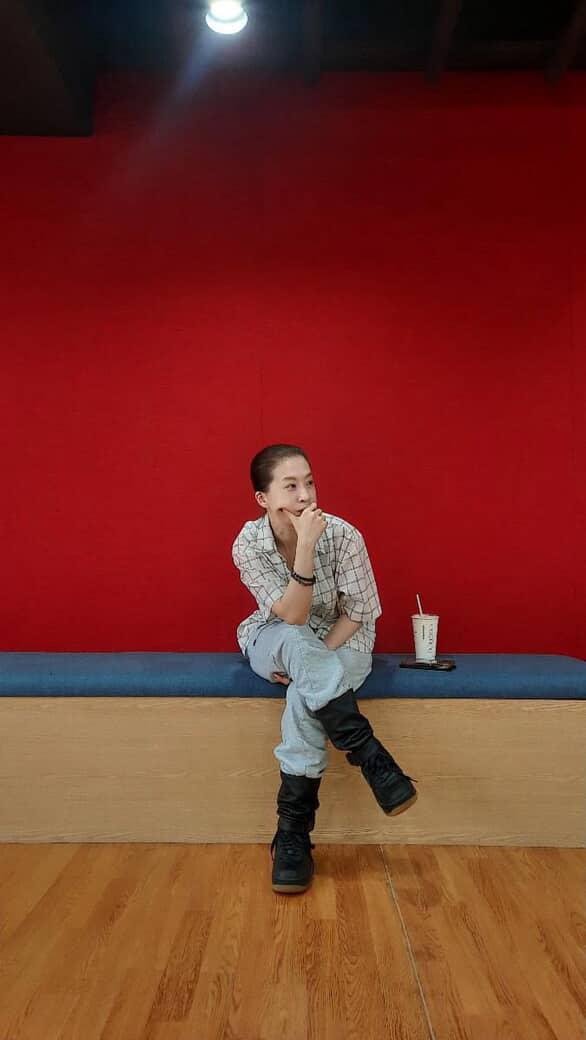
From the vibrant dance studios of Japan and Korea to the burgeoning talent scene of the Philippines, Director Ciel Oh has built a remarkable career in the entertainment industry. A highly sought-after idol trainer with experience working with some of K-Pop’s biggest names, Director Oh now brings her expertise and passion to ACE DANCE STUDIO. In this exclusive interview, she shares her journey, her vision for Filipino artists, and the unique approach that sets ACE DANCE STUDIO apart.
You’ve worked for various companies in Korea and Japan, and also as an idol trainer. Could you detail how these experiences have shaped your teaching methods and studio management?
I have worked in the entertainment industry, including academies and training schools, for over 15 years in both Korea and Japan. Each country has its own strengths—Korea offers high-level quality, while Japan provides a highly structured and systematic approach. I apply a blend of both: Korea’s pursuit of excellence and Japan’s organizational discipline.
Filipino performers, on the other hand, possess something unique—confidence and the ability to truly enjoy being on stage, even without formal training.
With a structured system to develop their skills, I believe they have the potential to grow into truly exceptional and distinctive artists.
I understand you’ve trained many well-known dancers. Could you explain your approach to teaching different artists with their unique needs and styles, and what key lessons you’ve learned?
In Korean companies, goals are usually set in advance, and trainers are given clear directions to follow. Based on these instructions, I would structure the training accordingly—providing choreography that fits the concept, and teaching foundational techniques across various genres.
In contrast, Japanese companies often give more creative freedom to choreographers rather than strict directions. This allowed my creative ideas to flourish and grow significantly.
I believe the ideal approach is a combination of both systems. Artists and choreographers can truly grow when technical skills are developed alongside creative exploration. There should be a solid framework, but within that framework, the work itself must emerge through creativity.
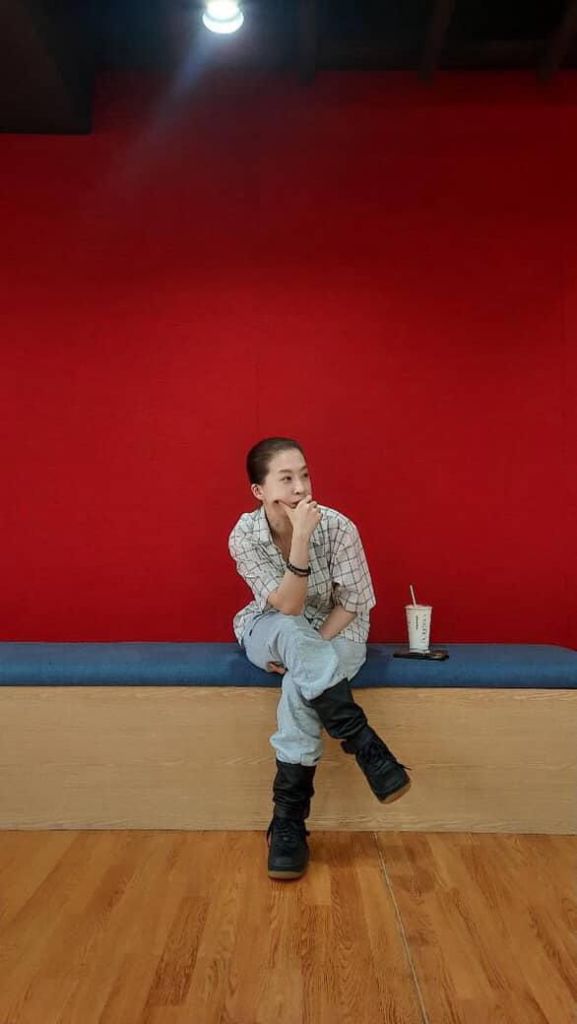
Ace Dance Studio was established in October 2022. Could you share some of the initial challenges you faced setting up the studio, and how you overcame them?
Back in 2022, I couldn’t speak any English at all. When I needed to communicate, I relied on translation tools or memorized what I wanted to say in advance, almost like preparing lines for a script.
I also didn’t study Japanese formally through textbooks. Instead, I learned by remembering the terms instructors used during classes and applying them in my own sessions. Thanks to the kindness and patience of those around me, I slowly started picking up English.
Now, I can manage basic conversations, but I still find it challenging to communicate freely in English. At first, I also struggled to understand certain aspects of Filipino culture, as they are quite different from other Asian cultures I was familiar with. However, through open conversations with staff, instructors, and students—and by facing those differences head-on—I was able to better understand and adapt.
When we first launched our training program in 2023, many people in the Philippines didn’t understand what it was. We were often asked, “Is this an entertainment company?” or “Why do we have to pay for training?”
It was very challenging and exhausting to help people understand the purpose and value of the program.
However, I’ve recently noticed that other studios have also started offering training classes. While this has made me concerned about the growing competition, it has also strengthened my determination to build a proper and professional training program.
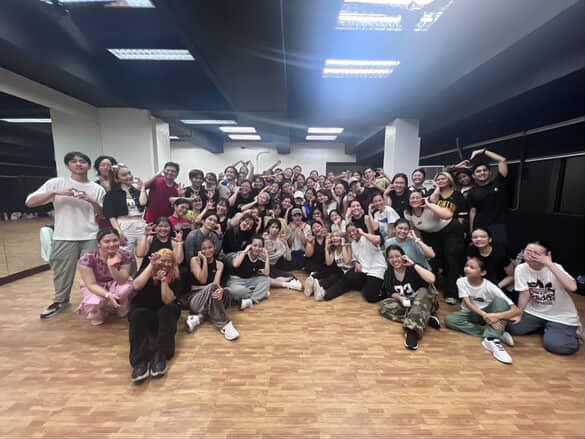
What is your vision for the future growth and development of Ace Dance Studio? What are your goals for the studio in the next 1, 3, and 5 years?
My goal is to help as many aspiring performers and artists as possible grow and achieve their dreams through our studio.
Within one year, I aim to see at least five trainees from our studio successfully debut. In three years, my goal is to relocate the studio to a more comfortable and professional environment.
In five years, I hope to help over 50 trainees debut and begin their careers as artists.
I truly believe that our studio has great potential for growth. We are constantly trying new approaches that set us apart from other studios, and we continue to refine our training program to ensure that it truly develops well-rounded, capable artists.
How do you maintain the quality and consistency of instruction across different dance styles and levels?
Our studio currently caters primarily to beginners, who make up about 90% of our students. From group lessons to training programs, most of our participants are just starting their journey.
As a result, our current focus is on creating an environment where beginners can feel comfortable and enjoy the learning process. In the future, one of our key goals is to develop intermediate and advanced-level classes to support our students as they continue to grow.
How do you balance the artistic aspects of dance with the business aspects of running a successful studio?
Our studio is not yet operating in perfect harmony. We are still in the process of laying the foundation for future success, and achieving that balance remains one of our key challenges.
While I am confident in choreography and training—because these are the things I truly love—I am currently facing difficulties on the business side. That’s why I’m looking for a co-founder.
My goal is to focus more on training, choreography creation, and directing in the future. To do that, I hope to partner with someone who specializes in business so we can build a more structured and professional system for ACE.
With the right partner, I believe I can finally overcome the current challenges and fulfill this mission.
How do you foster a positive and supportive learning environment for your students?
Mutual respect and open communication are essential—and I believe they are the starting point of everything.
Sometimes, I give students unit missions or challenges to help create opportunities for that connection and growth.
What are some of the unique challenges and opportunities of running a dance studio in the Philippines?
Unlike Japan and Korea, where students typically purchase monthly packages after the first trial workshop, most students here in the Philippines tend to buy only one class at a time. This makes income very unstable, as our monthly revenue constantly fluctuates.
In Japan and Korea, the system encourages consistency. But here, we face the challenge of new people coming and going every week, which also makes it difficult to build strong relationships with students.
That’s why I created the training program—to show Filipino students that consistent learning is essential for real growth.
Filipinos truly love performing. But before stepping on stage, it’s crucial to build a solid foundation of skills—and that doesn’t happen in two months. It doesn’t even happen in one year. Even successful K-pop idols continue to take lessons regularly.
While we do hold dance camps like other studios, our ultimate goal is not just the event itself. We don’t intend to run dance camps every year. Our real vision is to help artists debut and succeed through our training system.
I believe being able to introduce and establish this kind of structured, long-term training in the Philippines is a rare and meaningful opportunity.
What is your approach to nurturing and developing local talent in the Philippines?
It’s difficult to stick to a single, consistent approach because each of my students is different in both personality and skill level. What matters most to me is that my sincerity comes through—that’s my way. I genuinely care about their growth more than anything. I’m constantly observing and thinking about how they can improve, and I design my classes based on what each of them truly needs.
What are you most proud of accomplishing with Ace Dance Studio so far?
I haven’t achieved any major success yet. Aside from playing a small role in Jashu’s debut, I think the fact that I’ve been able to keep things going for the past three years is a small achievement in itself.
How do you stay updated on the latest trends and techniques in the dance industry?
I watch idol comeback performances every week. I also study reels from dancers in the Philippines, Japan, and Korea to keep learning and stay inspired. I occasionally teach K-pop classes, and I see that as part of my ongoing effort to understand current trends. I genuinely enjoy searching, watching, and learning something new every day.
 Welcome to City Writer
Leave a comment