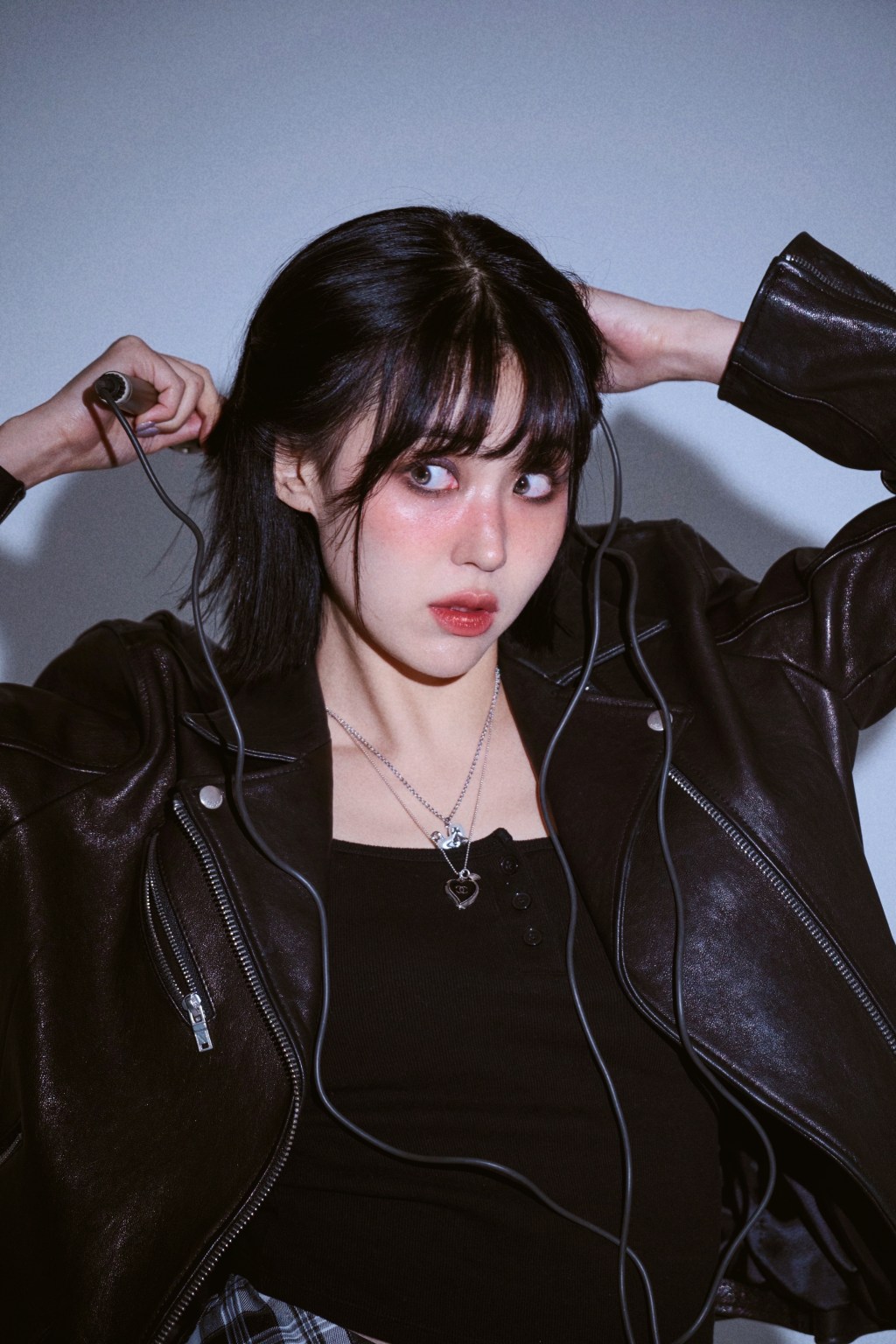
Photo Courtesy of IT’S
Today, we have the distinct pleasure of speaking with IT’S, a captivating vocalist whose music resonates with the dreams and aspirations of a generation. Since debuting in 2010, IT’S has established themselves as a leading figure in South Korea’s vibrant music scene, blending addictive pop and indie rock to create a sound both unique and universally appealing. With a decade of sold-out concerts and a passionate fanbase known as ‘That’s,’ IT’S’journey is a testament to the power of music and the unwavering pursuit of dreams. Let’s delve into their inspiring story.
What makes your vocal style unique and how was it deveqloped?
Whenever people tell me that my voice has a unique tone, I genuinely feel grateful—but at the same time, it feels a little unfamiliar. That’s because I was someone who, for a long time, lacked confidence in my own voice.
There was a time when I kept trying to change the way I sang, hoping to sound more like someone else. But one day, I realized that there was a certain color unique to me in the raw, delicate, and somewhat unsteady quality of my own voice.
Since then, instead of trying to refine my voice, I focused more on practicing how to express my emotions sincerely. I came to believe that singing with true feelings stays in people’s hearts much longer than singing perfectly.
If my tone sounds special, I think it’s less about how I sing, and more about with what kind of heart I sing.
You’ve been active for nearly 10 years, showcasing a blend of pop and indie rock. How has your
musical style evolved over time, and what influences have shaped your sound?
In the beginning, I mostly did acoustic or pop-based music, and I spent quite a long time exploring what kind of texture or tone I was drawn to within that.
Overtime, the genre started to shift depending on the emotions or moods I wanted to express in each song, and naturally, elements of rock began to subtly blend into my music.
Rather than being influenced by a specific artist, I think the biggest influences come from the emotions I experience in life and the environment around me— things like the seasons, conversations, or the mood of a particular time.
These days, I’m less focused on genre and more on how I want to communicate. Ultimately, as I think about the most natural way to express what I want to say,the sound adapts and evolves to match that.
So I believe my musical style is constantly open and always in the process of change.
With 13M+ YouTube Music streams, what do you feel connects most with listeners, and how do you nurture that bond?
I believe that when someone listens to my music, it’s because they’ve, at some point, felt a similar emotion or texture in their own life. Even if the words in my lyrics are slow or quiet, I often feel that listeners receive them as if they were their own stories. That’s something I’m deeply grateful for.
Rather than trying to constantly maintain a sense of connection, I focus on not drifting too far— from myself, and from those who listen to my music. I try to be honest about where my heart is at any given moment, and when I express that without embellishment, I think it naturally creates a point of connection.
Going forward, I want to keep singing for a long time—without losing that warmth of emotion.
You’ve mentioned having a strong and active fanbase (“That’s”). How do you interact with your fans,
and what role does their support play in your career?
I prefer sharing the everyday warmth of life over one-sided communication.
Even in brief moments—like on social media or greeting fans after a performance—there’s a sense of sharing time with each other, and I think that’s what builds lasting connections. To me, “THAT’S” are so much more than just fans.
They’ve always been there for me—whether I was feeling uncertain or taking on new musical challenges.
And sometimes, even when I found it hard to believe in myself, their support believed in me first.
That’s why I always feel like we’re walking this journey together. Their presence has become such a steady, powerful force in my path.
What are some of the biggest challenges and rewards you’ve experienced throughout your career as a
singer-songwriter in South Korea?
Telling my story through music is always something that excites me, but it’s also been one of my biggest
challenges.
Especially in Korea, where people often see the person before the music, it took quite some time for my sincerity as an artist to truly reach others. Even so, the most rewarding moments are when someone listens to my song and says,“I’ve felt that way too.”
More than complicated or difficult words, the thought that a single song can become a kind of language that helps someone get through their day—that means the most to me. And moving forward, that’s what I want to hold onto as I continue making music.
What are your future goals and aspirations as an artist? What kind of music do you hope to create in
the years to come?
I want to keep making music for a long time, at my own pace.
Rather than chasing trends or growing quickly, I think it’s more important to move forward—slowly, perhaps—but without forgetting the reason I started this journey in the first place.
Going forward, I want to explore new ways of telling my story. I hope to gradually expand my sound in terms of genre as well, while making sure that listeners can still say, “This song really feels like ITZ.” I want to capture my unique texture even more clearly in the music I create.
Looking back at your nearly 10-year career, what’s one moment or achievement you’re most proud of
Rather than any single moment, what stays with me the most—and what I’m most grateful for—is simply
the fact that I’m still making music and standing on stage.
Each day has been a process of enduring and filling in the pieces,
and the fact that I’ve come this far by building up those moments is what I’m most proud of. I still vividly remember how it felt the first time someone told me they were moved by one of my self-
written songs.
More than numbers or records, what gives me the greatest sense of fulfillment is hearing that someone felt comforted by my music.
Where do you find inspiration for lyrics and melodies?
Writing lyrics and composing music usually flows naturally from my daily life and emotions. Rather than following a specific formula or fixed method, I try not to miss the thoughts and feelings that come to me at the moment.
Lyrics often begin with emotions I’ve personally experienced, or things I’ve felt after listening to the stories of those around me.
Sometimes the melody comes along with the lyrics, and other times, it appears first.
Inspiration isn’t limited to a specific place or situation—it often comes from small moments in an ordinary day,conversations with people, or simply listening closely to my inner voice.
In the end, I believe that sincerity and emotional connection are the most important key elements.
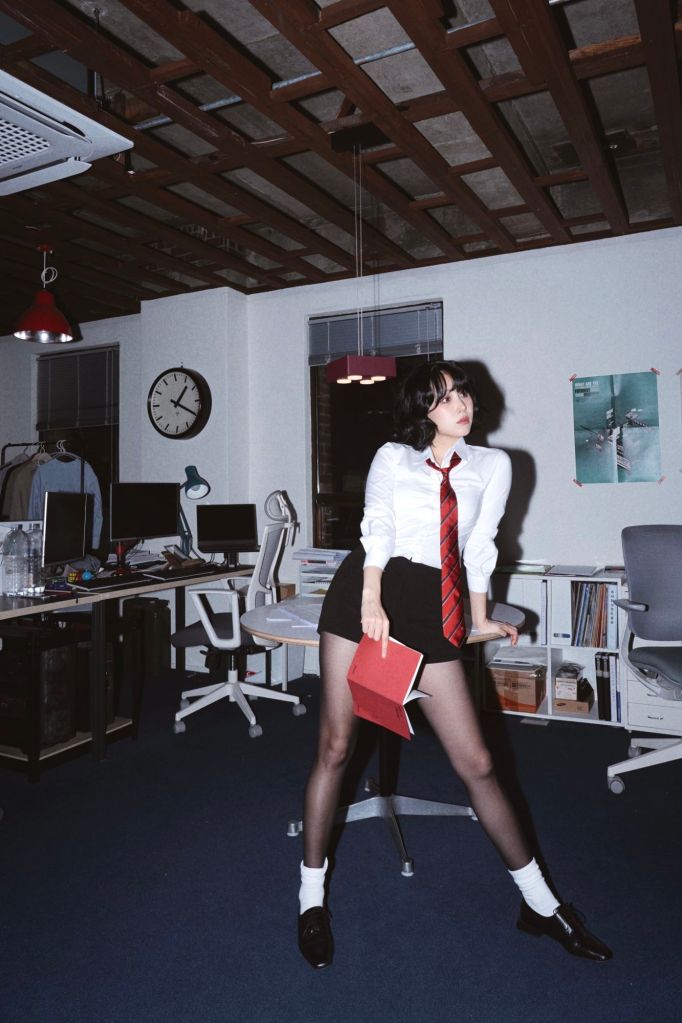
What role does visual presentation (music videos, live performances) play in your artistic expression?
I believe that music videos and live performances are powerful mediums that allow me to present my music in a more multidimensional way.
If music carries inner emotions and stories, then visual expression becomes a direct pathway for people to feel those emotions more vividly.
Especially in live performances, it’s not just the music—my energy and the emotions of those specific moments are conveyed as well, which helps create a deeper connection with the audience.
Music videos, on the other hand, expand the message of a song into a short narrative, allowing its mood
and emotion to be expressed visually. That’s why they’re such a meaningful part of the process for me.
In the end, music and visual expression complement each other, forming a crucial link that helps fans become more immersed in my world.
You’ve performed for over 3,000 people in solo concerts—how has that experience shaped your approach to live shows?
Performing on stage is always a special experience for me.
Every time I sing in front of a different audience, the energy and atmosphere of the day change, so I always feel a mix of nerves and excitement.
One thing I’ve learned from standing in front of so many people is how important the connection with
the audience is.
It’s not just about singing alone on stage—it’s about creating that space together. Every reaction from the audience fuels my energy, and in turn, I find myself singing with even more sincerity.
I’ve also come to realize that the bigger the stage, the more focus and sense of responsibility it requires. Through these performances, I’ve been able to grow by directly feeling how my music reaches others.
Looking back at your performance history, what are some of the most memorable or significant shows, and what made them stand out?
The most memorable stage for me was my solo concert, “Movie,” held on March 1, 2024.
At that time, I still had a lot to prove as an artist, but during that performance, I was able to connect deeply with the audience.
The tension throughout the show was intense, but the moments when the audience genuinely responded to my songs were incredibly powerful.
It was then that I gained the confidence that I was truly on the right path, and that experience became a major turning point for me.
What made it special wasn’t the number of people or the scale of the venue,
but that I was able to reveal my true inner self as an artist on that stage—and the audience accepted it. Since that day, the stage has become something I look forward to, rather than fear.
You’ve performed at a variety of venues, from high schools to larger concert halls. How does your performance style adapts to different venue sizes and audiences?
Depending on the venue and the size of the audience, my focus naturally shifts.
In smaller spaces, I try to connect more delicately by making eye contact and sharing moments with each individual in the audience.
Because the atmosphere is much more intimate, I aim to convey the lyrics and emotions in a more
detailed and nuanced way. On the other hand, in large concert halls, I need to elevate the energy and atmosphere significantly, so I use the entire stage and focus on delivering a more powerful and dynamic performance.
Since the audience’s reactions are bigger and more impactful, I perform with the mindset that we’re creating that moment together. Ultimately, the most important question I ask myself is, “How can I fully convey my music and emotions
in this particular moment and space?”
Based on that, I naturally adjust my style accordingly!
What are some of the biggest challenges and rewards of maintaining a consistent performance schedule across numerous events?
When I perform consistently, there are moments that are challenging both physically and mentally. Especially during tight schedules, fatigue builds up, and sometimes I feel the pressure of not having my voice or condition be perfect.
Also, facing the mix of nervousness and anticipation every time I step onto a new stage can be difficult. But the moment I connect with the audience on stage and their energy flows back to me, all those
hardships vanish in an instant.
Feeling that my music has reached someone’s heart, and sharing that moment together, is the greatest
reward.
That’s why I keep returning to the stage—it becomes my strongest motivation.
How do you balance the demands of live performances with the creative process of writing and recording new music?
Balancing performance schedules and music production is always a challenging task. But since both are very important parts of my life, I try to prioritize them well.
When I have a concert, I focus fully on the stage to deliver the best performance possible, and during periods when I need to work on music, I immerse myself in the studio to perfect the songs.
Sometimes, I have to switch between the two within a single day, so I pay close attention to managing my stamina and carefully distributing my emotions and energy.
The connection I feel with the audience during live shows often inspires new ideas in my work,and conversely, the emotions I cultivate while creating music give strength to my performances. I believe this creates a positive cycle where both aspects enhance each other.
Do you have any aspirations to perform internationally or expand your reach to new audiences?
As I’ve gained fans overseas in places like Thailand, Taiwan, and Vietnam, my desire to visit and meet them in person has naturally grown.
My goal is to perform on international stages through various opportunities and expand my activities to new regions.Through global activities, I want to connect with more people and share my music with a wider audience around the world. Moving forward, I hope to turn these possibilities into reality, one step at a time.
What’s next for your performances—any dream venues or festivals you’re targeting?
I have a solo performance at ‘Musinsa Garage’ on July 5th. This time, I want to focus on the performance and band sound, creating a stage where I can connect more closely with the audience.
I hope it will be a time filled with lingering emotions that stay with everyone long after the show ends.
I’d love for us all to share that moment together and make it a special memory

 Welcome to City Writer
Leave a comment