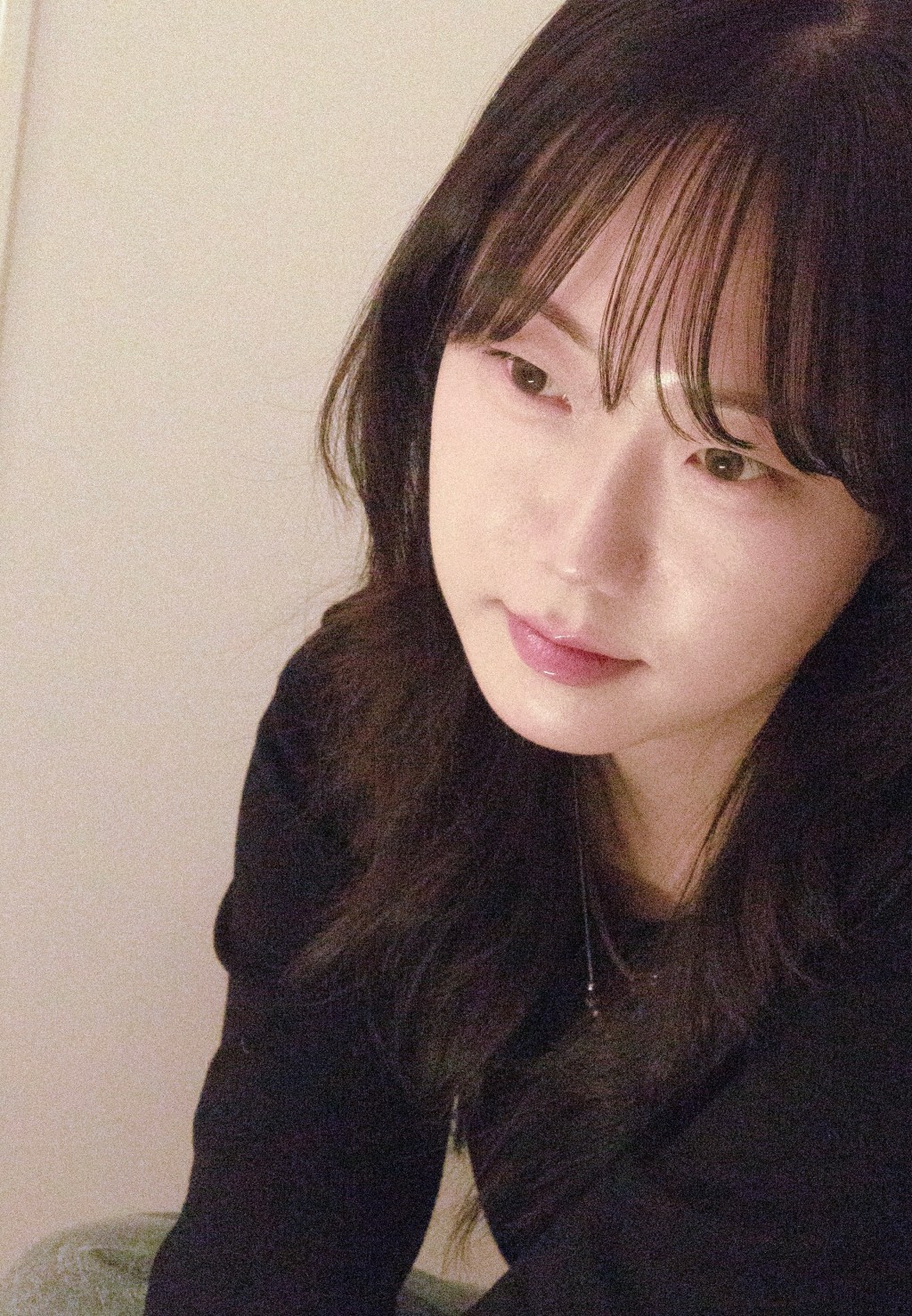
Quietly carving his own space in the indie scene, Arn is a Korean singer-songwriter whose music feels both intimate and expansive. Rooted in R&B, soul, and indie textures, her songs are shaped by introspection—soft melodies paired with honest, emotionally resonant storytelling.
As a fully hands-on artist, Arn is deeply involved in every stage of his music, from songwriting and composition to arrangement and production.
In this interview, we get to know Arn beyond the music—exploring his creative process, the emotions behind his songs, and how she translates lived experiences into sound. It’s a conversation with an artist who lets sincerity lead, one song at a time.
What was the very first song you ever wrote or produced, and what did it mean to you?
I don’t remember it exactly. I think it was during my second year of high school, and if I heard it now, I’d probably think it’s quite bad. My start was very humble and unpolished. If I could play the songs I’m writing now to my younger self, I wouldn’t believe I was the one who wrote them. My skills have grown immensely over a long period of time.
How did growing up in Korea shape your understanding of music, and are there traditional Korean musical elements you incorporate into your work?
My high school years were when my musical roots were truly formed. During that time, I listened to a lot of 90s Korean folk and ballad artists—singers like Kim Kwang-seok, Toy, and Lee Juck. I loved music that wasn’t just technically good but felt deeply sincere.
As I began making my own music, I was exposed to diverse genres, and my style started to blend different colors. However, I still feel a “Korean sensibility” at the core of my work. I think it comes through in the way I write melodies and approach my arrangements.
Who were your biggest musical influences when you were starting out, and how have they evolved over time?
Looking back, the artist Kwon Soon-kwan, whom I listened to most in high school, was my biggest influence. His music is so well-crafted—the arrangements are sophisticated and timeless, so they never sound dated. Because of his influence, I strive to make every song I produce as well-structured as possible.
I want to create works that I can be proud of even after a long time has passed.
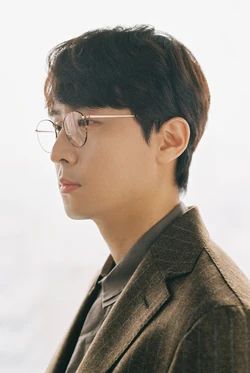
What made you decide to pursue both singing and producing, rather than focusing on just one role?
I attended a music college where I studied composition, so I initially planned on a career as a producer. However, after graduating, I went through a period of musical and personal wandering and realized I wanted to be a singer-songwriter. Most of the artists I’ve loved since I was young wrote their own songs and sang them.
While I started music simply because I wanted to write songs, I eventually felt that my voice could be charming enough to reach people, so I began pursuing the path of a singer-songwriter who also produces.
Can you share a key moment or experience that confirmed you were on the right path with music?
To be honest, I’m still not entirely sure if I’m on the right path. I’m not making much money from my music yet. But the reason I keep going is that this is what I want to do for the rest of my life. I’m currently working hard to make my music financially sustainable, and I’ll decide in about two years whether I can continue this way.
In two years, I might have to get another job and keep music as a weekend hobby, but I’m going to do my absolute best to make sure that doesn’t happen.
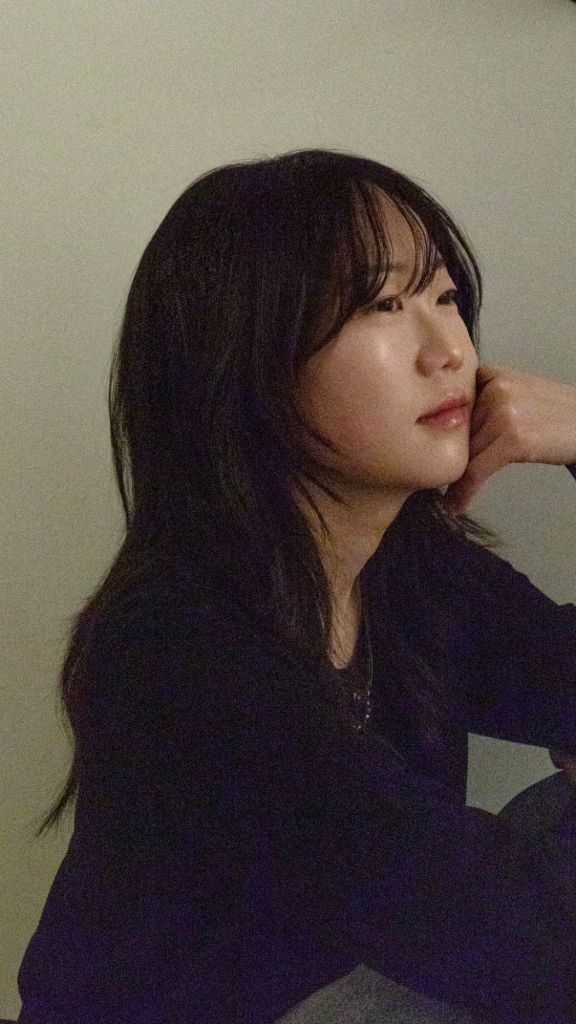
What story or feeling were you hoping to convey with the overall sound and flow of the “Take Me Anywhere” EP?
Overall, the EP features piano-focused acoustic production, and there isn’t a single drum beat in any of the tracks. The overall mood is calm and sad. I included “what a foolish world” as a bit of a bonus track—even though it didn’t perfectly match the vibe of the rest of the album, I wanted to release it to the world as soon as possible.
I don’t believe every single track in an album has to have the exact same atmosphere.
How did you approach writing and producing each track to ensure they connected while still standing on their own?
I didn’t actually write these songs with the intention of putting them in one specific album. They were songs I gathered later when I was preparing the EP.
I’m just glad if they feel connected while maintaining their individual charm. Since I wrote, arranged, and sang every track myself, I think my personal “color” naturally kept everything cohesive.
Were there any unexpected moments or happy accidents during the recording process that made it into the final tracks?
Unfortunately, I didn’t have any accidental changes that made it into the final tracks, but I did change the arrangements for “think of you” and “older” quite a bit. For “think of you,” the tempo, the piano style, and the overall dynamics changed significantly from the first draft. “older” was originally meant to be a simple piano and vocal track, but I ended up adding many more layers during the process.
What has been the most rewarding feedback you’ve received from fans about the EP?
The most memorable feedback is when people tell me they cried while listening to my music.
I also have experiences where I cry listening to a song, and that only happens when the music is truly moving and great. Knowing that my music touched someone to that extent is incredibly rewarding.
As an artist, the greatest happiness is having a listener connect deeply with my work.
How did you choose the visual elements (like album art) to match the EP’s theme?
For the album art, I centered the ideas around the song “Take Me,” which is the most important track for me. I wanted the main color to be a toned-down blue. I felt that the emptiness, coldness, and weight of that blue matched “Take Me” well. I wanted to include myself in the art, so I took the photos myself; the composition turned out a bit different from what I first imagined, but I’m very satisfied.
I edited it using AI and Photoshop, and the result was better than expected. I know how much the visual art affects the music, so I hope listeners feel it suits the songs well.
When you’re stuck in a creative rut, what strategies do you use to get back into the flow?
I listen to music or try to copy(transcribe/recreate) other tracks. If I find a song that’s too good, or if I discover elements I didn’t notice before while copying it, that becomes the inspiration for a new project.
Other times, I just push through even if what I’m making is not good. Sometimes it gets better during the editing process, or a “bad” idea might trigger a better one.
What production tools or techniques are essential to your signature sound?
I think the most essential skill is the ability to actually manifest the sound I have in my head.
At first, I couldn’t even imagine what kind of production I wanted, so I just stacked tracks one by one. Now, I can visualize the whole picture from the start and implement the sounds I imagine. I think there’s no way around it other than practicing a lot.
Are you working on new music already?
The song I’m working on now is a bit different. While my recent EP was filled with sadness and emptiness, this new song is a beautiful love story.
I think it fits my voice really well, so I want to finish and release it soon. Please look forward to it!
Do you have plans to perform live, and what would a dream show look like for you?
I’m not sure about Korea, but I definitely want to perform abroad. I don’t know when that will be, but I hope it happens in 2027.
I want to be an artist who goes on world tours—a life where I can keep making music and share it with people face-to-face. Even if it starts in a small club with 100-200 seats, I just want to meet my international fans in person. Just thinking about it gets me so excited!
Soft sounds, real feelings.
Get to know Arn through his music—click here and experience it for yourself
 Welcome to City Writer
Leave a comment