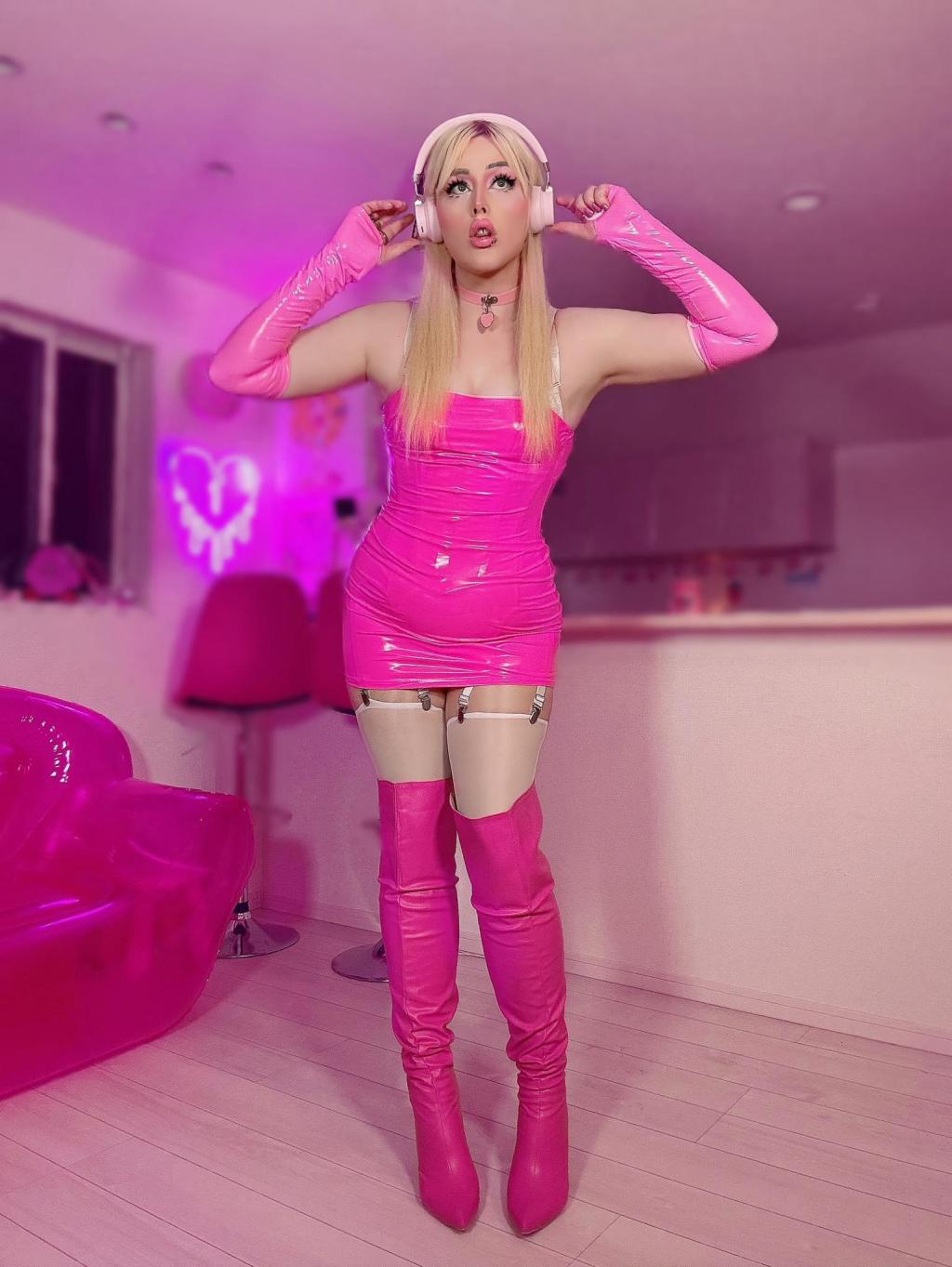
Photo courtesy Endigo
Endigo is a multifaceted music producer and creative force whose work bridges global pop culture and Japan’s ever-evolving soundscape. Based in Japan, she is known for her genre-fluid approach—blending J-pop sensibilities with experimental textures, digital influences, and emotional storytelling. Beyond producing music, Endigo’s artistry reflects a fearless commitment to self-expression and innovation, making her a distinctive voice in today’s international music scene. In this written interview, we explore her journey, creative philosophy, and what drives her to create music that resonates across.
For readers meeting you for the first time, how would you introduce yourself as a music producer and artist?
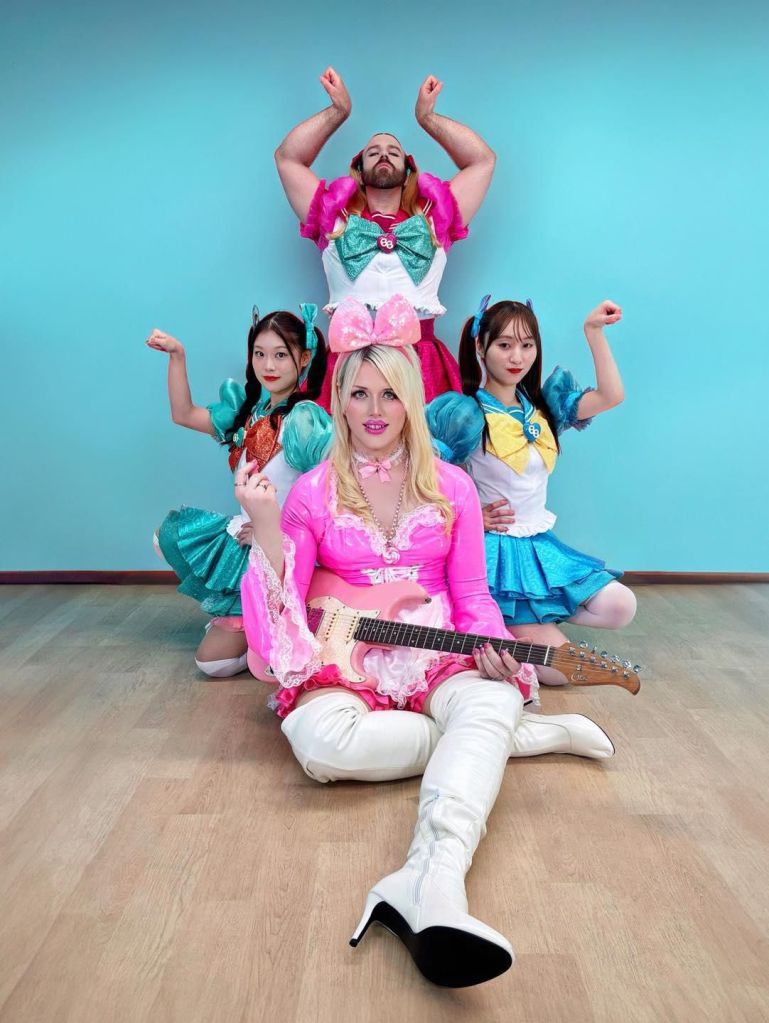
Hello! My name is Endigo and I’m an all-pink death metal barbie doll based in Tokyo, Japan. My roots are originally in Visual Kei, with a modern experimental metalcore/pop-punk touch to it. Since 2010 I’ve fronted several metal bands, toured all over the world, and more recently been actively singing and composing for video games and anime (Final Fantasy VII, Street Fighter, Tekken, Ace Attorney and BanG Dream! to name a few!). On top of all that, I occasionally produce or write music for other artists, most recently BABYBEARD!
How did your collaboration with BABYBEARD begin?
I was actually a fan of Ladybeard since his breakout track ‘Nippon Manju’ in 2015. I watched the music video just when it came out, before I’d ever even been to Japan, and thought it was the coolest thing I’d ever seen! Fast forward to 2021 when BABYBEARD begins, one day I received a message from the group asking if I want to work together on some kind of collab for fun.
That collab expanded and became ‘METAL QUEENS’, a full pop/metal-track I released with the entire BABYBEARD as featured artists.
We all immediately clicked, the writing and recording was super smooth, and I think we all felt that making that track together was something really special. From there we kind of just decided to work on another track together, which became ‘TWISTED KAIJU TALE’ and the rest is history!
What initially attracted you to BABYBEARD’s concept and musical identity?
I’ve always been drawn to creative dichotomies; mixing two things that shouldn’t work and creating something new and magical as a result. BABYBEARD, in many ways, embodies a lot of these traits and, as a songwriter, this makes the project an incredibly fun one to work on, with all the different musical elements that mix.
The cute with the brutal. The girls and the bearded man. In my humble opinion, it’s lightning in a bottle!
When producing songs like “Twisted Kaiju Tale” and “Optisquad,” where do you usually start—the concept, melody, or sound design?
Often I begin with a very broad, general concept for the song; Is this a mosh pit song? Is this an anime opening? Is this a cutesy sugarpop idol track? Once we have the general direction of what we want to accomplish with the song nailed down, I usually just open my laptop and start writing the song in a linear fashion; Starting to write from the intro and finishing with writing the outro.
That way, the songwriting itself is like going on a journey; I rarely know how the song is gonna play until I get far enough along in the song to hit that particular section, almost like the song is writing itself and I’m just there to discover it. Once the instrumental is done, I write a basic vocal melody and hand the track over to BABYBEARD to figure out lyrics and flesh out the melodies further.
BABYBEARD’s music blends metal, pop, and idol culture. How do you approach balancing these elements in one track?
Indeed, finding that balance is some of the most rewarding part of working with this group! In my opinion, the best songs aren’t exactly 50/50 between metal and pop, but maybe closer to 70/30 or even 80/20. Of course on an album, having close to a 50/50 mix between individual songs is preferable, so that’s been an interesting challenge to take on!
How involved is BABYBEARD in the creative and production process?
They’re involved in every step of the way. The initial brainstorming is done in a group setting where everyone chimes in.
Someone might say “what if we wrote a song about a cicada?” off the cuff, and suddenly we have a new song! Regarding production, they’ve been very gracious in giving me pretty free hands to produce the tracks the way I like it.
They do of course give me feedback and throw in ideas and I always do my best to incorporate them as close to their vision as possible!
What challenges come with producing music that is both heavy and playful at the same time?
The biggest challenge I’ve faced is just in terms of production; Mixing a death metal track is very different from mixing an idol pop track, and making that balance feel natural can be quite the challenge!
How does your background in visual art and performance influence your music production?
I think my production sounds very “typically Scandinavian metal” to many Japanese listeners, and likewise very “typical J-Rock” to European listeners. It’s been fun hearing opposite comments from opposite sides of the pond!
What do you think sets BABYBEARD apart from other alternative idol or metal projects?
Well there’s the guy with the beard and those cute girls by his side… (laughs)
Honestly the mix of cultures is something I’ve never seen anywhere else; the metal with the pop, the cute with the brutal, the western with the Japanese – it’s just such a fun rollercoaster!
How has working in Japan shaped your perspective and style as a producer?
Well I was always drawn to Japanese music even before I moved here in 2019. My roots are in J-Rock and Visual Kei, but having grown up in Sweden I’ve always been surrounded by a very Scandinavian way of doing things.
Luckily, I’ve been mentored by some of the best producers in the country back home and taking their lessons, mixed with the Japanese sounds, has been a really exciting experience.
What differences do you notice between producing for your own projects and producing for other artists like BABYBEARD
It’s all super rewarding, but in some ways I feel less pressure writing for other artists rather than writing for myself, since the artists usually have a defined sound and image already, which makes it easier to narrow down songs and concepts for them.
When I write for myself I tend get a little too experimental with genres and moods which I know can be hard for new listeners to digest sometimes, haha
Is there a BABYBEARD song you’ve worked on that you feel especially proud of? Why?
There’s a few unreleased tracks on the album I’m particularly proud of, lots of new sounds in there that will feel very fresh for BABYBEARD and I can’t wait to see peoples reactions to them! As for the currently released tracks, “MACHO!” really is a banger isn’t it?
How do you see BABYBEARD’s sound evolving in future releases?
No spoilers – Please wait for the album! 😉
What do you hope listeners feel or experience when they hear the music you produce for BABYBEARD?
I hope people feel inspired to be creative and to be brave. Whether you’re young or old, male or female, or whatever your background is; I want people to believe that they can do anything.
We’re all just. a bunch of broken oddballs from different parts of the planet, yet we were able to meet up in Tokyo and create something larger than ourselves – I hope some of that magic transcends the songs and make people believe.
What advice would you give to aspiring producers who want to work across multiple genres and cultures?
Just start! Right now! Don’t wait for the golden timing or the golden opportunity, because in my experience, it likely won’t ever come. Life is short and if there’s something you want to do, get started right now, and before you know it you’ll be an absolute master at your craft. I’m giving you permission – just create!
Follow Endigo on Instagram and YouTube and step into her creative universe!
 Welcome to City Writer
Leave a comment