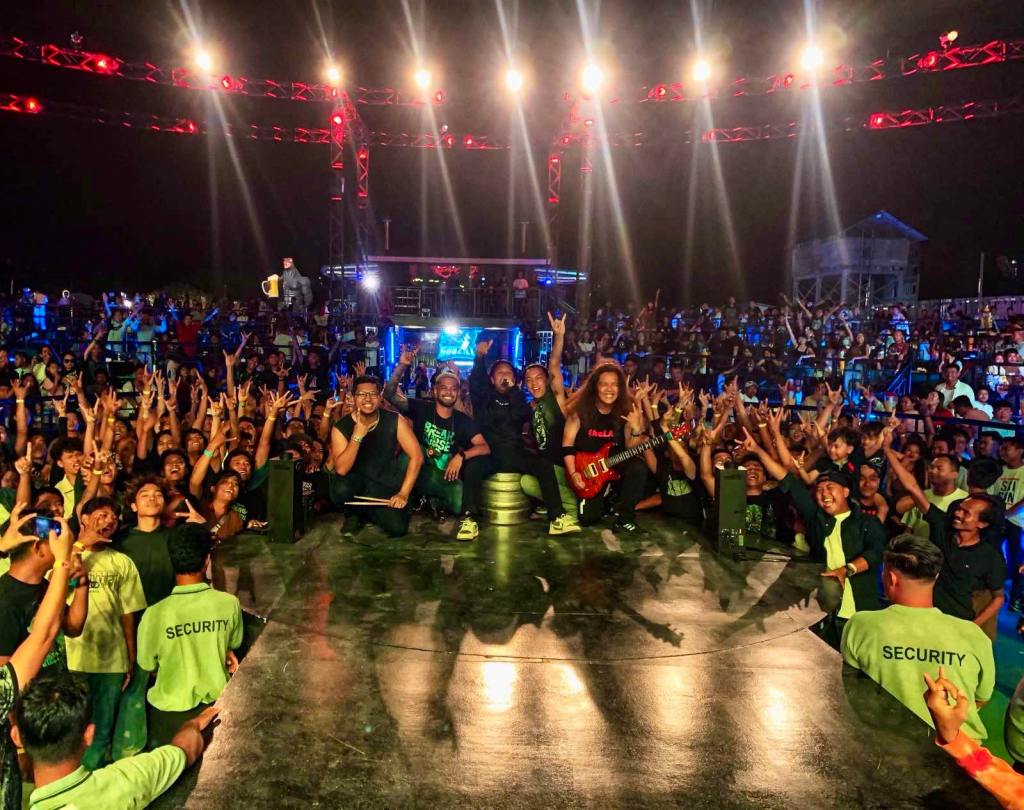
Photo Credits: Thein Than Oo Photography
From Myanmar’s growing rock scene to the international stage of the recently concluded , Velocity continues to make waves with their powerful sound and passionate performances.
In this feature, City Stories had the opportunity to sit down with the band to talk more about their journey, musical identity, inspirations, and the story behind Velocity as a group. Beyond the stage and performances, the interview highlights the people and passion that continue to shape their music today.
Say hello to Velocity.
How would you introduce Velocity to new listeners who are discovering your music for the first time?
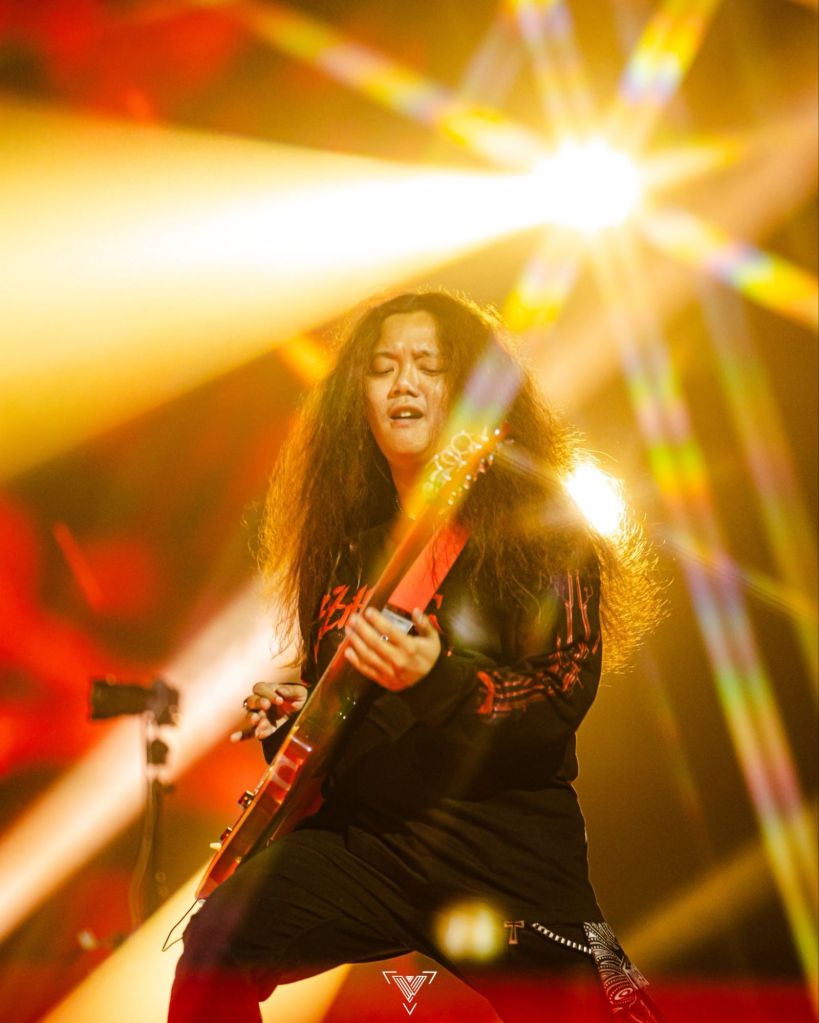
Tun Thu (Guitarist):
We started back in 2010. From the very beginning, we’ve been all about creating fresh sounds within the rock world. We’re obsessed with genres like metal, rock, hardcore, and more.
For people who’ve never heard of us or never really listened to this kind of music before, we always try to make them go, “Wait… so this is what metal sounds like? This is rock?” and from there, get curious enough to dig deeper and discover what Velocity is really about.
A lot of listeners actually catch that vibe right from the first impression and stick with us, which honestly makes us really proud and happy.
What inspired the name “Velocity,” and what does it represent for the band today?
Tun Thu (Guitarist):
About the band name, “Velocity”, it actually comes from something I learned in physics: velocity (m/s, meter per second). It represents speed, momentum, that sense of force moving forward.
Since I’ve always been into metal guitar, I wanted a name that carries that idea of energy and power, like a driving speed. And back then, I was really inspired by the speed metal band DragonForce, so that kind of vibe definitely influenced the name too.
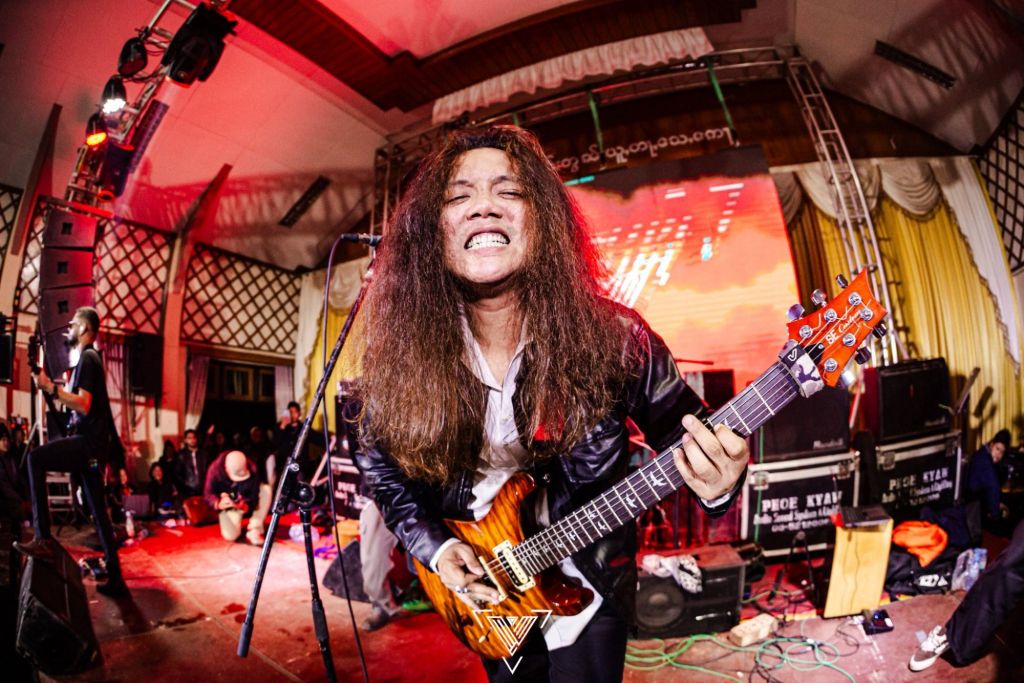
How has the band’s identity evolved since you first formed?
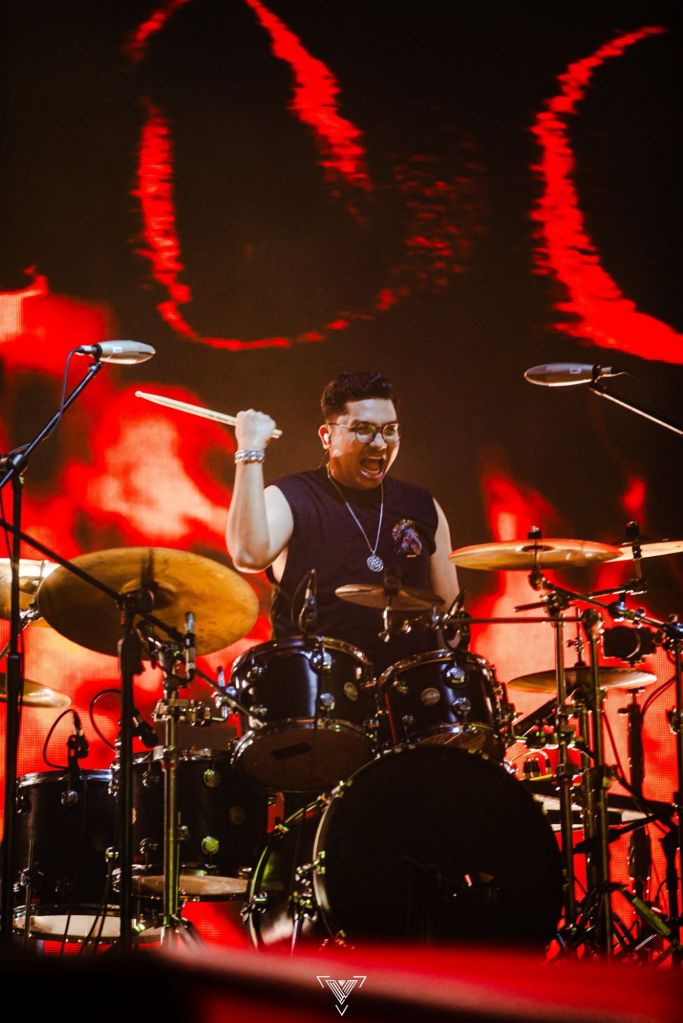
Aung Thu (Drums):
Compared to when we first started, both our music style and the band members have changed a lot.
Back then, it was more like we just wanted to show everything we had learned, everything we could play. We didn’t really care whether people liked it or not, as long as we liked it, that was enough.
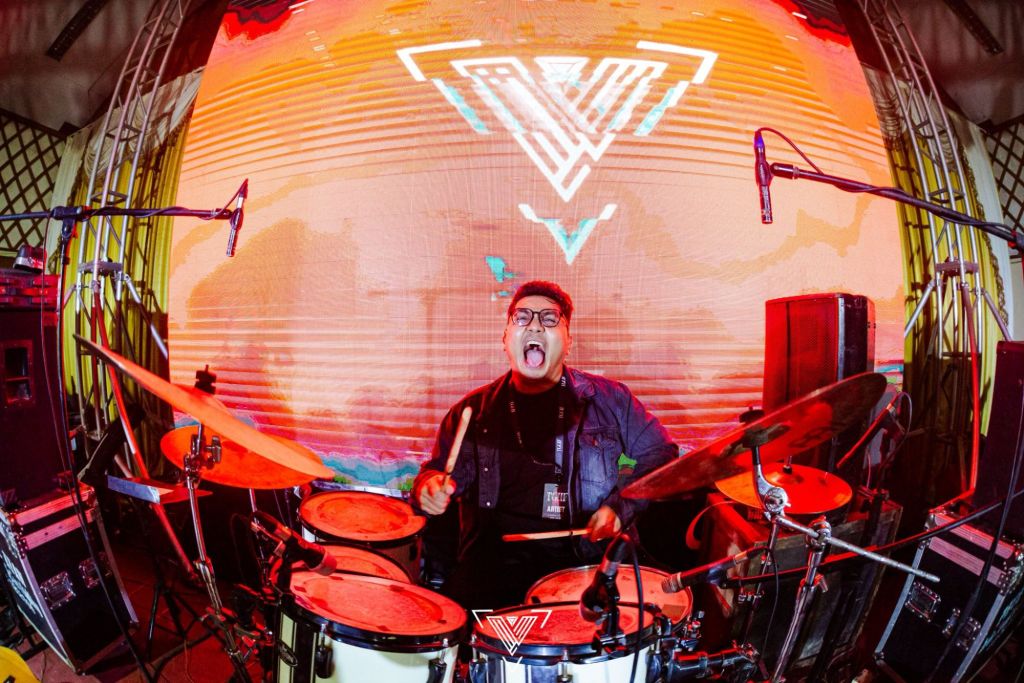
But now, with age and all the experiences we’ve gone through, the way we see things and create music has evolved. I’d say our creativity has become more mature in its own way.
How would you describe your sound in your own words?
“Unstoppable Momentum”
What makes your approach to progressive metal different from other bands in the region?
Aung Thu (Drums):
Our sound is a blend of modern metal and 2000s nu-metal, mixed together to create something of our own. The addition of electronic synth elements also gives it a more unique and fresh edge.
Who are your biggest musical influences, both locally and internationally?
Aung Thu ( Drums):
In Local , Iron Cross and Idiots. Internationally , Dream Theatre and While She Sleeps.
How do you balance technical complexity with emotional storytelling in your songs?.
Aung Thu ( Drums):
We build the songs by mixing dynamics , highs and lows, emotional touch points and blending them with breakdowns to create that rising intensity and drive.
What does your songwriting process usually look like from idea to finished track?
Chris Chen (KB):
Technically, I started with a story line based on my experiences that I found interesting.
Then, lyrics writing mostly come next and add the melody together for new music.
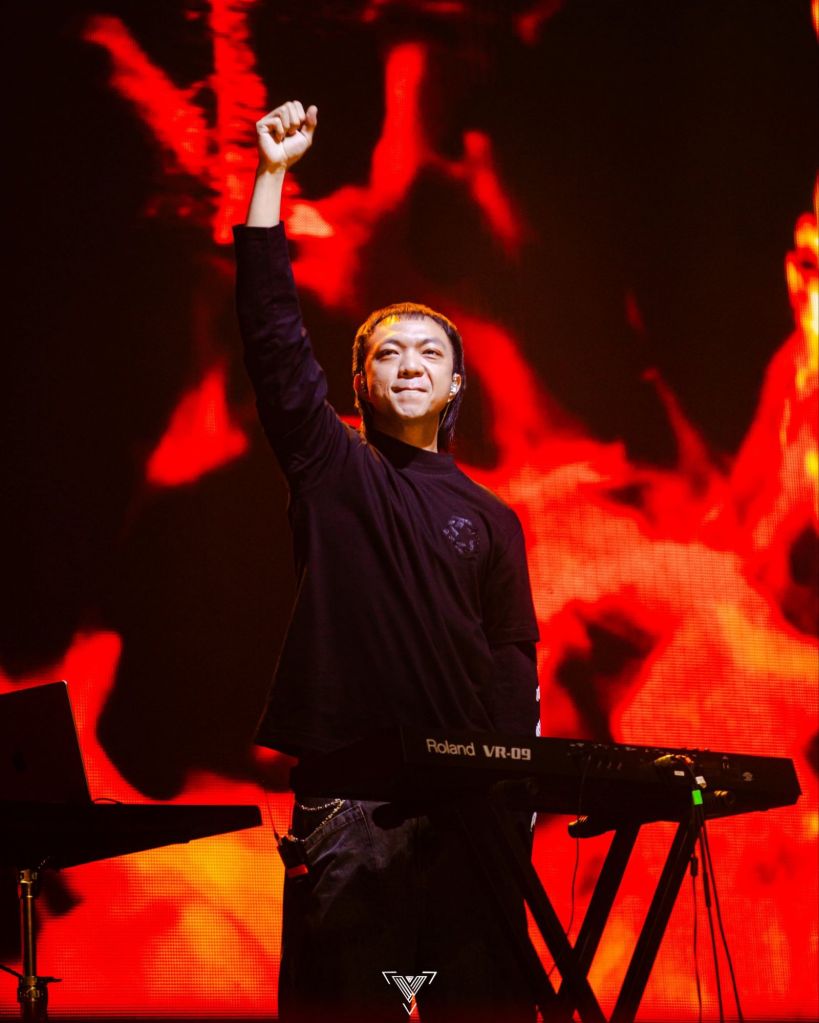
Do you usually start with riffs, lyrics, or concepts when creating new music?
Chris Chen (KB):
It depends. All can be possible when I create new music as sometimes I also come up with the riffs or concepts.
How do the band members collaborate when shaping a song?
Chris Chen (KB):
Most of the time, we work together on recording and creating new songs with suggestions from every band member.
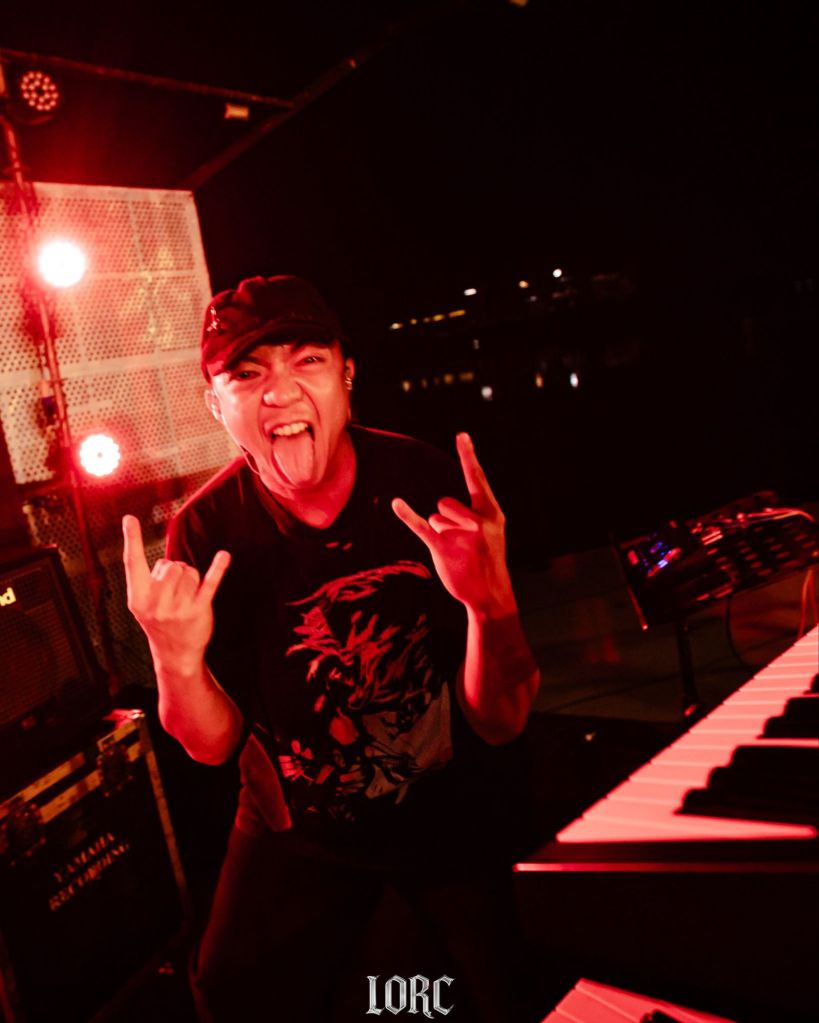
What is the metal scene like in Myanmar right now?
Pyae Wa (Bass):
Looking at the current state of the Myanmar metal scene, I’d say it’s in a phase where it’s starting to build momentum again.
There’s a new generation of young bands coming up, which is great, but I feel like the rate of new releases is still a bit low.
From the audience’s side, metal is becoming more accepted, but it seems like people are still more into the fancier, more “fun metal” styles rather than the heavier, more intense subgenres.
For the scene to really grow stronger, I think both the industry and the audience just need a bit more time.
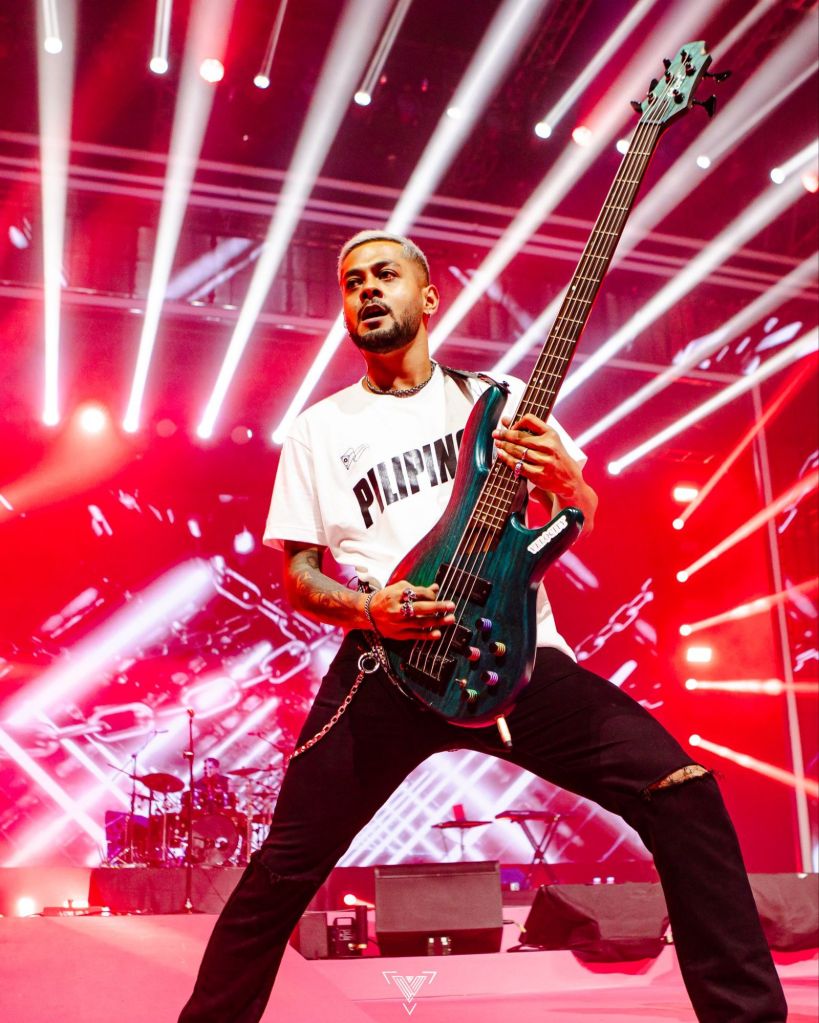
What challenges have you faced as a metal band in your local music industry?
Pyae Wa (Bass):
Being a metal band in Myanmar is tough—it almost goes without saying.
From something as basic as getting the right gear to trying to stand as a professional metal band, there are a lot of challenges along the way. And because of that, quite a lot of bands have ended up breaking apart too.
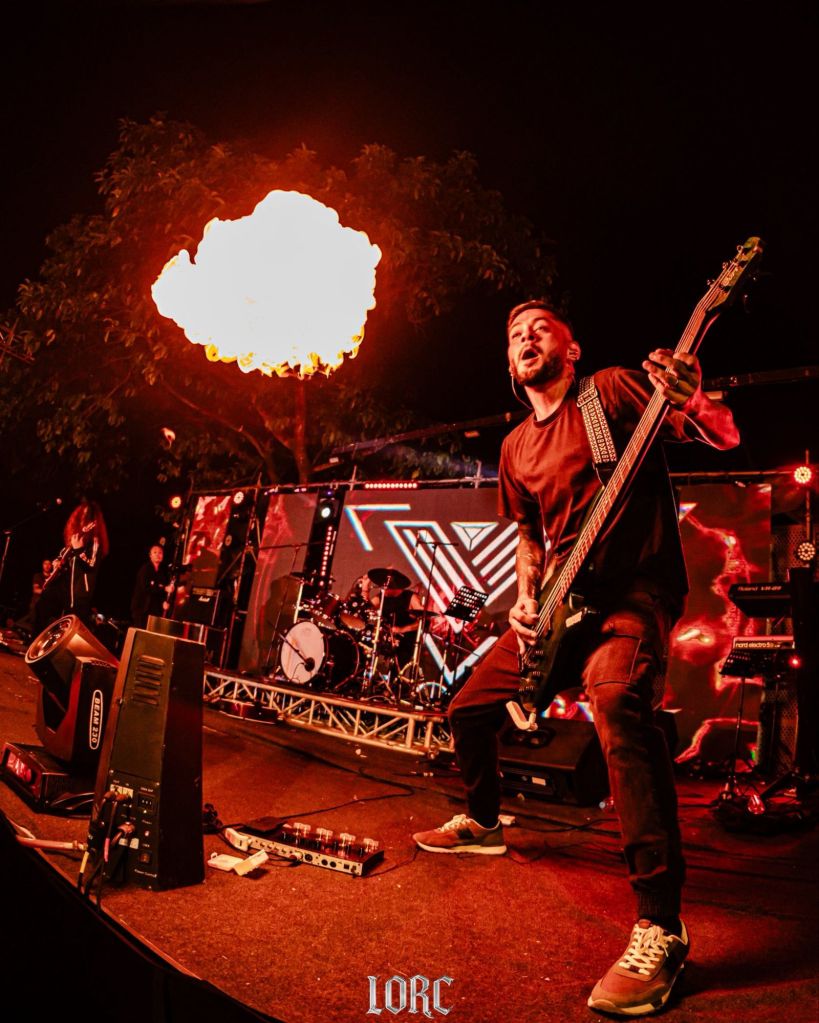
How do audiences in Myanmar respond to progressive metal compared to other genres?
Pyae Wa (Bass):
If we talk about how Myanmar audiences receive progressive metal, I’d say most listeners here don’t really choose based on subgenres. It’s not so much about “progressive,” “thrash,” or “core.”
Instead, if a metal song connects with them if the vibe hits right they’ll like it. They don’t usually come in with technical labels or genre knowledge; they just respond to the feel of the music.
So rather than breaking things down into very specific subgenres, I think it makes more sense to keep it under the broader “metal” umbrella when talking about the audience here.
And in that sense, I believe the metal audience in Myanmar will keep growing over time.
What has been your most memorable live performance so far?
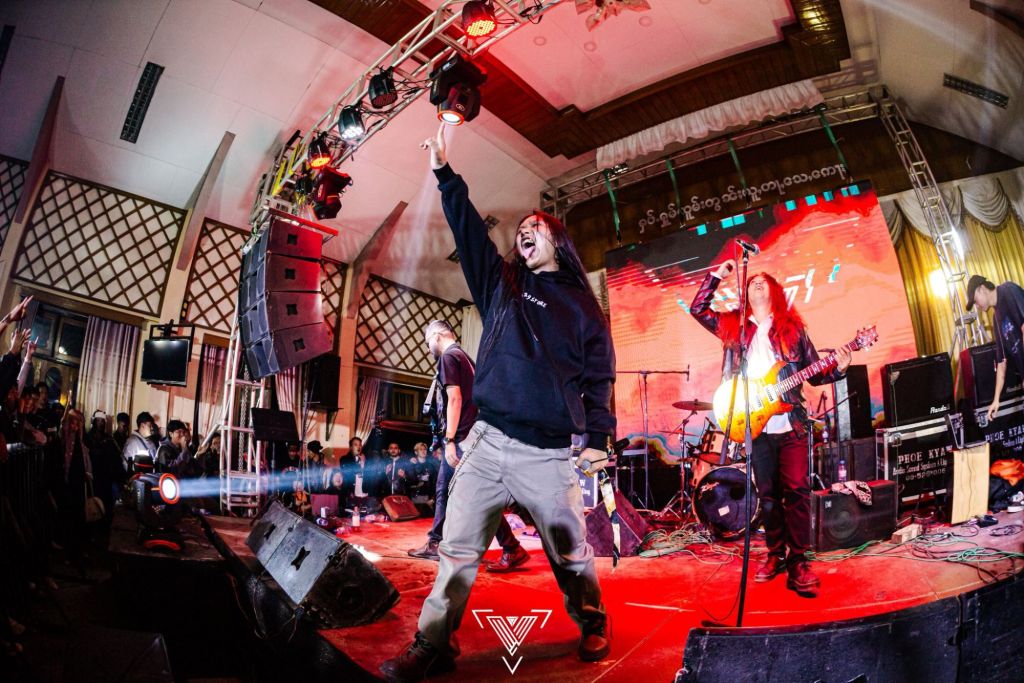
RaNo( Vocal):
The most memorable show for me would probably be the charity performance we did for the Mandalay earthquake relief.
What made it even more unforgettable was just the whole vibe of that day .Honestly, even moments like having a proper beer break in between made it stick in my memory in a funny way. It’s definitely one of those shows I’ll never forget.
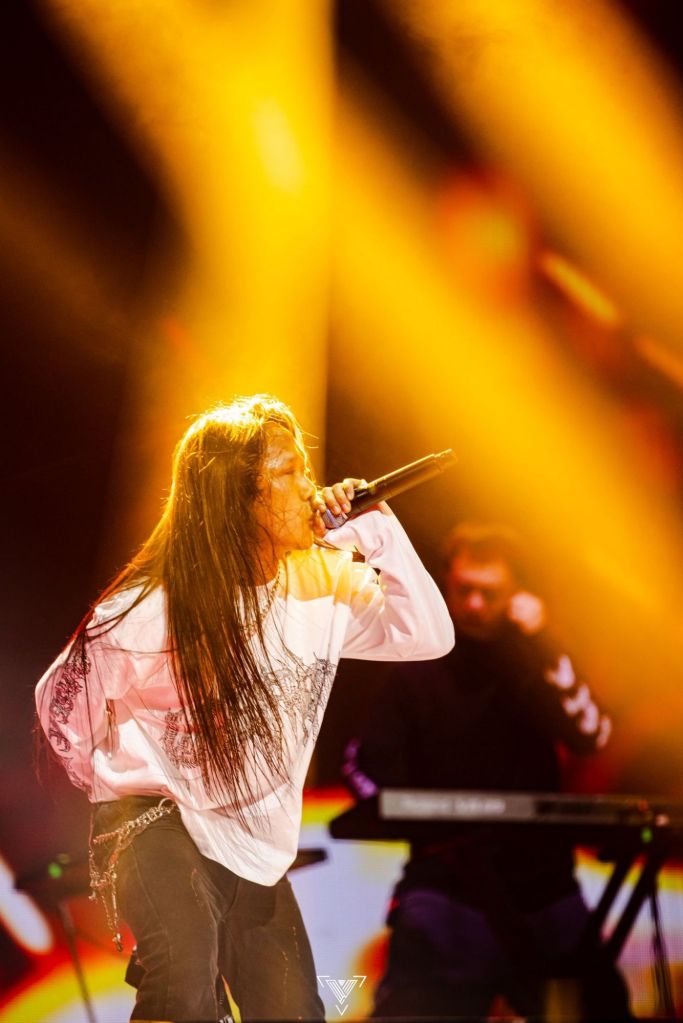
Another one would be the second LORC event. Fans really hyped me up and ended up crowd surfing. It was such a special moment for me. It honestly felt like something I had always wanted in life, and finally getting to experience it made it really meaningful.
How do you prepare mentally and musically before going on stage?
RaNo (Vocal):
For music, it’s more about planning things like which songs to play, how each section will be performed, and how to really connect with the fans on stage.
But personally, I don’t do much mental preparation. I just go in with the mindset that the stage is mine and once I think like that, everything just naturally falls into place.
But personally, I don’t do much mental preparation. I just go in with the mindset that the stage is mine and once I think like that, everything just naturally falls into place.
What do you want audiences to feel when they watch Velocity live?
RaNo (Vocal):
If I had to say how I want audiences to see Velocity, it’s this: when they come across us, I want them to feel like Velocity is a band that consumes their energy.
Like when we perform, it’s not just about watching a show, but about that energy exchange where it hits them and pulls them in completely.
What themes or messages do you try to express through your music?
Aung Thu (Drums):
A lot of our songs are centered around motivation. We try to create music that gives strength not only to the listeners but also to ourselves.
Is there a particular song that best represents who Velocity is right now? Why?
Aung Thu (Drums):
In the album we’re currently working on, we’ve included both our own core themes and also experimented with new sounds and styles that our audience hasn’t really experienced from us before.
So it will feel like a new expression of what Velocity can be.
We also want to expand further and reach into wider spaces and new directions.
What do you hope listeners take away from your music?
Aung Thu (Drums):
We want our music to carry hope, self-reflection, and that head-banging dopamine feeling all together.
What’s next for Velocity in terms of new music or projects?
Tun Thu (Guitarist):
Right now, we’re working on a new album. We’re also planning to do more local gigs and even set up a tour soon.
Are there any international collaborations or tours you hope to do in the future?
Tun Thu (Guitarist):
We’re also really looking forward to collaborating with artists from other countries. If that happens, I think we can create something fresh from totally different perspectives.
We’d also love to play more international shows again if we get the chance.
And one more thing, we’re truly grateful to our fans from the Philippines. I feel like you guys really understand how to support artists. Even though many of you hadn’t seen or heard of us before, the support you’ve shown has been amazing ,even following and supporting us on social media.
That honestly surprised us in the best way, and we really appreciate it. Hopefully, if things work out, we’d love to come back to Manila, play a full set, and meet all the fans there again.
How do you see the band evolving in the next few years?
Tun Thu (Guitarist):
In the coming years, we’ll keep creating better music that stays in tune with the times. Really appreciate all the support.thank you so much!
Show your support for Myanmar rock band Velocity by following their journey and music. From powerful performances to their growing presence on the international stage, this is only the beginning for the band.
Be sure to follow Velocity on their social media accounts and stay tuned for more music, stories, and updates from the band.
 Welcome to City Writer
Leave a comment