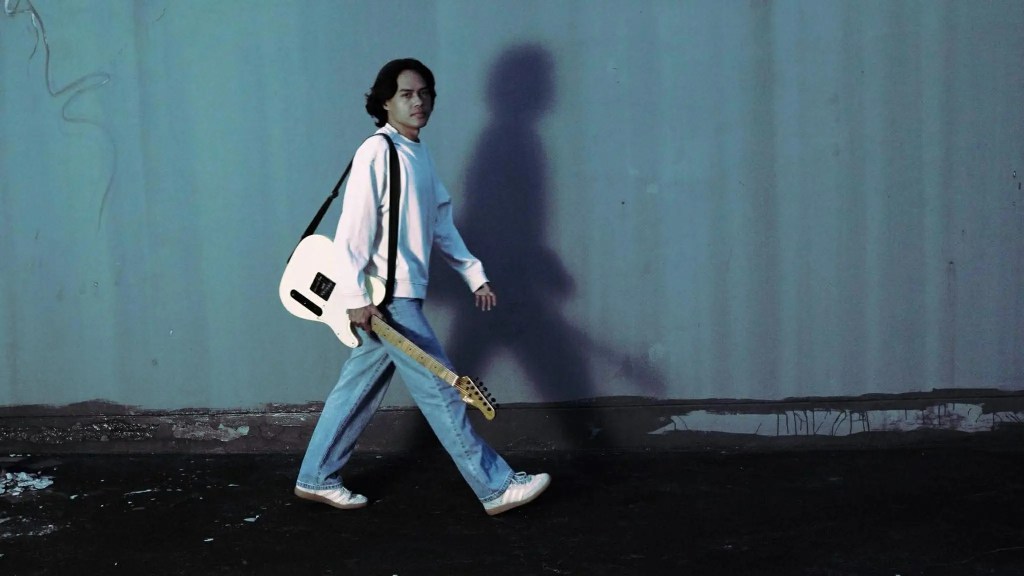
Photo Credits: Kim Escalona
From performing in pubs and resorts around to slowly carving his name into the OPM scene, continues to prove that passion and authenticity can open unexpected doors. Influenced by the emotional soundscapes of mid-2000s emo and alternative rock, Kervin’s music carries a signature blend of melancholic storytelling, heartfelt lyrics, and powerful musical dynamics.
His journey took a major turn after performing his original song “Dili Pwede” at PortXide, an opportunity that eventually connected him to and welcomed him into the growing OPM community.
In this interview, Kervin opens up about his musical beginnings, artistic struggles, inspirations, and the journey of finding his own identity in today’s music industry.
Can you tell us about your journey from Camotes Island to becoming a recognized artist in the
OPM scene?
I began my journey performing in various pubs and resorts around . One particular venue, PortXide, became a turning point for me. I performed my original song, “Dili Pwede,” and it caught the attention of the owner. Seeing potential in my work, they decided to manage me and eventually submitted the song to back in 2020, which opened the door for me to be welcomed into the OPM scene.
What were some of the biggest challenges you faced when starting out as a full-time musician?
One of the biggest challenges I’ve faced is finding my own identity as an artist—developing a unique sound, image, and sense of what truly makes me different. It’s easy to be influenced by trends, but the real challenge is staying authentic while still creating music that connects with people and remains true to who I am.
Who were your early musical influences, and how did they shape your sound today?
My early musical influences were locally Urbandub, and internationally, bands like like Dashboard Confessional, A Rocket to the Moon, and FM Static-mostly from the mid-2000s emo era.
These artists played a big role in shaping the sound I wanted to pursue, especially the dynamic shifts between soft verses and explosive choruses, along with the melancholic vibe that naturally comes through in my music.
How would you describe your musical identity to someone hearing your songs for the first time?
My musical identity leans toward alternative pop, rooted in heartfelt sentiment and personal experiences
that I translate into emotion-driven songs.
Your music blends different Filipino languages—what inspired you to incorporate Cebuano, Tagalog, and Tausug into your songs?
The original concept from my previous music label was to create a purely Cebuano version of Ina Ku
Kalasahan. However, I took a different approach by blending three dialects, Cebuano, Tausug, and Tagalog while still preserving the song’s cultural essence and emotional depth.
Can you walk us through your songwriting process—from idea to final track?
I usually start by recording a demo of the chorus, using it to establish the main theme and direction of the
song. From there, I build the verses around it to support and expand on the idea introduced in the chorus.
Using it as a guide for the song’s full-length recording.
Do you usually start with lyrics, melody, or instrumentation?
My songwriting usually starts with a guitar riff. I explore different sounds until something stands out, then I
hum the melody and build the lyrics around that initial idea.
“Pelikula” connected with many listeners—what’s the story behind that song?
This song is about realizing someone you love is slowly drifting away. Instead of holding on, it comes from a place of acceptance—letting them go, but hoping they at least say goodbye.
It highlights how painful it is to be left without closure, and the strength it takes to stop hoping they’ll come back.
Your reinterpretations of classic songs bring a modern twist—how do you approach honoring the original while making it your own?
“I start by understanding the core emotion of the original and make sure to preserve that. Then I add my own style through arrangement and delivery, so it feels fresh but still respectful of what made the song special.”
Among your releases, which song feels the most personal to you and why?
My new single, “Gitna ng Kalawakan,” because it reflects one of the most vulnerable moments in my life when I almost gave up on music.
How do you think your sound has evolved since your debut?
The sound still sits within the pop rock space, but it feels more mature and raw now, while still keeping the
authenticity of the lyrics intact.
What kind of message or emotion do you always want listeners to take away from your music?
I want my music to resonate with people in a way that even my melodies reflect personal struggles, failed relationships, and doubts. Despite all of that, there’s still a sense of hope in finding peace within ourselves.
Are there any genres or styles you’re excited to explore in future releases?
I’ve actually been drawn to the kind of sound that Chase Atlantic explores—dark pop with those crunchy guitar riffs. It’s a style I’ve been wanting to experiment with and dive into more.
I’ve actually been drawn to the kind of sound that Chase Atlantic explores—dark pop with those crunchy guitar riffs. It’s a style I’ve been wanting to experiment with and dive into more.
As an artist from Cebu, how important is it for you to represent regional identity in mainstream OPM?
I still consider myself a newcomer—an up-and-coming artist who is continuously learning and still new to the industry. If luck and hard work pay off, it would truly be an honor, especially as a Cebuano artist coming from a small community where access to platforms is still quite limited. Being recognized would not only mean a lot to me, but it would also help boost the confidence and visibility of other Cebuano artists like myself.
What role do you think regional languages play in the future of Filipino music
Regional languages make Filipino music more authentic and personal because artists like me, a Cebuano, can express ourselves with our own voice. They also help preserve culture and make OPM more diverse. With streaming, these songs can now reach a wider audience beyond their region.
Are there any local or international artists you dream of collaborating with?
Locally, I hope to collaborate with Rico Blanco on a future song. Internationally, I would love the opportunity to work with Chris Carrabba of Dashboard Confessional.
What keeps you motivated during creative blocks or challenging times?
During creative blocks, I remind myself of my “why” and why I started making music in the first place. What keeps me going is the thought that my songs may inspire others or help them relate to their own struggles.
What advice would you give to aspiring artists from the provinces who want to break into the industry?
“Trust your craft, stay true to yourself, and keep honing your skills. Don’t chase fame, chase your dreams instead and let the rest follow.”
Can you share any upcoming projects or releases fans should look forward to?
I’d like to promote my new single, “Gitna Ng Kalawakan,” now available on all streaming platforms. This song is for anyone who’s struggling to hold on to their passion.
What are your goals for the next chapter of your career?
I’m looking forward to releasing more songs, hoping for at least one hit along the way (fingers crossed), and to reach and connect with a wider audience through my craft.
Discover more of his music and journey by following him on social media—stay updated with his latest releases, performances, and stories.


Leave a comment