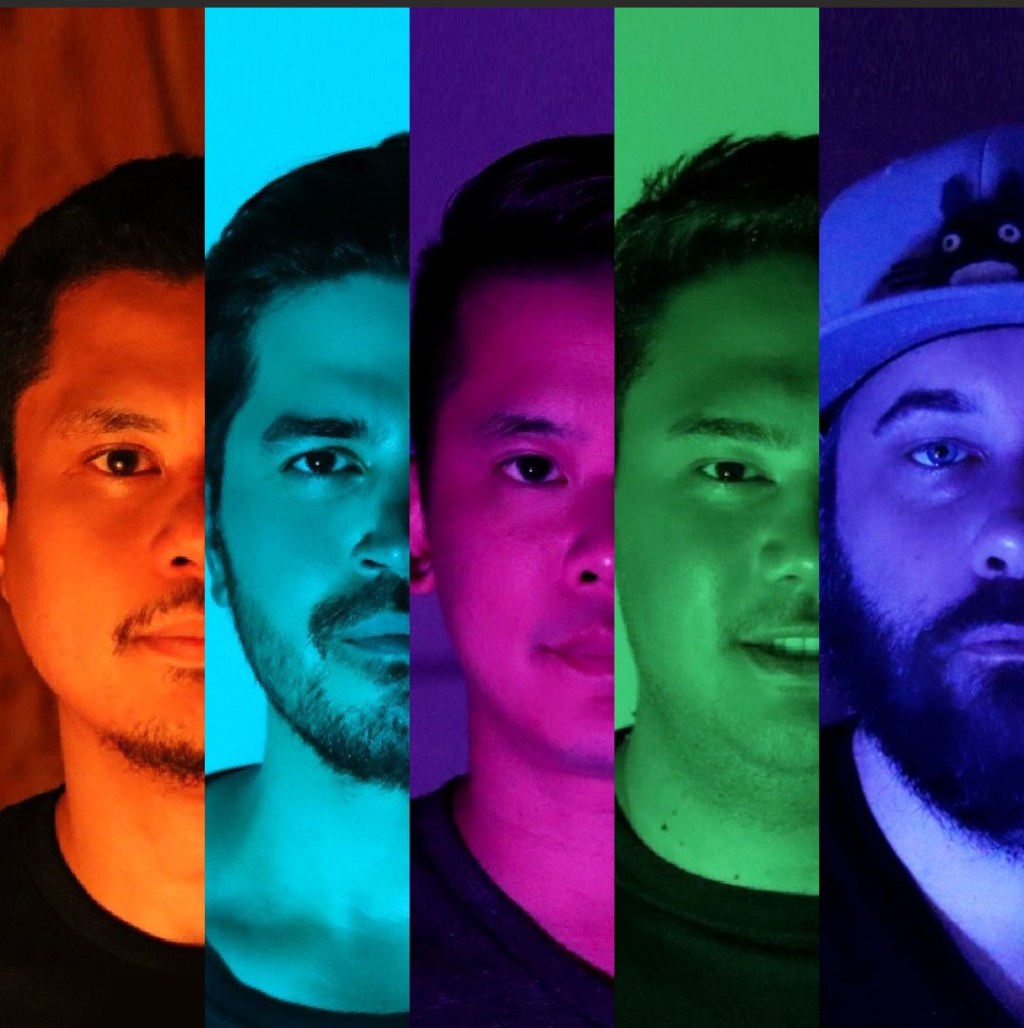
Photo Courtesy of Kid Finish
From the vibrant music scene of Los Angeles comes Kid Finish, a pop-punk band bringing fresh energy to the genre with infectious melodies, heartfelt lyrics, and a nostalgic yet modern sound. Blending the spirit of classic pop-punk with their own distinctive style, the band continues to capture the attention of listeners looking for music that is both emotionally resonant and irresistibly catchy.
In this City Stories interview, Kid Finish opens up about their musical journey, creative inspirations, songwriting process, and the experiences that have shaped their identity as artists. Join us as we get to know the band behind the music and explore the passion that fuels their growing presence in today’s pop-punk scene.
Can you introduce yourselves individually and share your roles in Kid Finish?
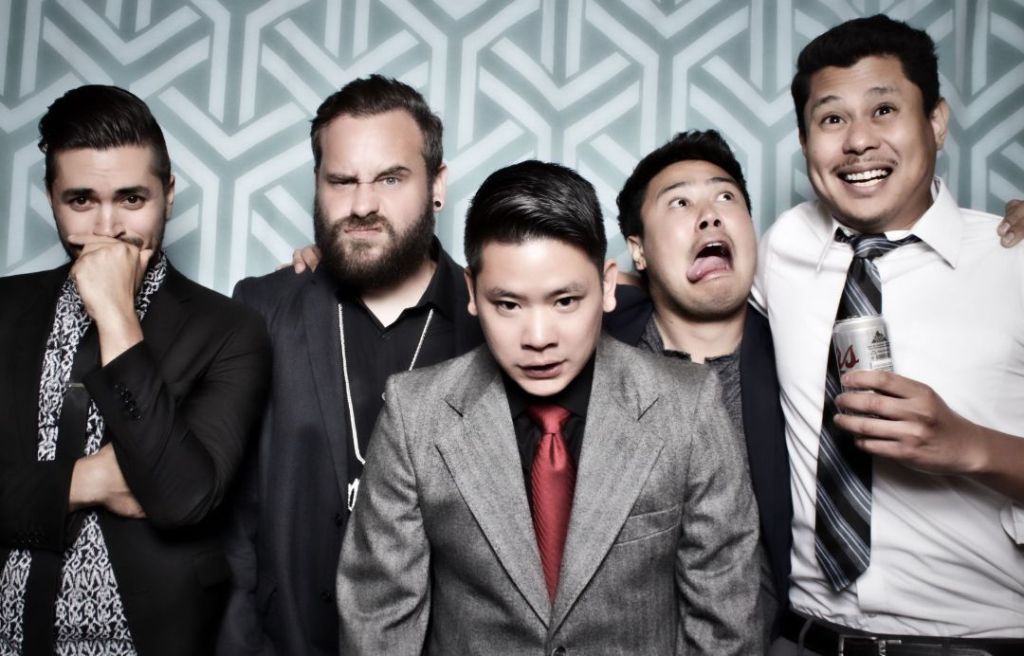
Russ handles vocals and guitar for the band and is one of the group’s primary songwriters. The lineup also includes Justin on keyboards and backing vocals, adding a unique texture to the band’s sound, while Gerard provides additional guitar work and helps round out the band’s melodic style. Lloyd holds down the drums, bringing the drive and energy behind the songs, and Bert plays bass, helping to lock everything together.
How did the band first come together, and what inspired the name “Kid Finish”?
The band started when we were in high school and we used to go by the name Leftover up until 2006. We then changed the name to Kid Finish to better reflect the current line up of the band and where the band was going sound-wise.
Before forming the band, what were your musical backgrounds like?
Justin first picked up the saxophone in middle school before moving on to jazz band in high school. Around age 13, he got his first guitar along with a guitar tab book for Blink-182’s Enema of the State, which helped spark his interest in playing. Interestingly, when he first joined Leftover in its earliest days, he actually played bass.
Gerard’s introduction to music started with learning a few Elvis songs on the piano as a kid, but his attention soon shifted toward sports and punk rock. Everything changed when he discovered Green Day’s Dookie. The album made an immediate impact, and by the time he met Lloyd in middle school and got his first guitar, he was fully committed to making music.
Lloyd began playing drums in middle school alongside Gerard, who was already learning guitar. A lot of his early musical influences came from Gerard and even their old basketball coach, both of whom introduced him to many of the pop-punk bands that would shape his playing style.
Russ picked up guitar in middle school and later expanded his interests into piano, keyboards, and music production while attending college. He developed a passion not only for performing music but also for understanding how it was created and recorded behind the scenes.
Like many musicians, Bert started playing in bands during high school, but his first instrument was actually the drums. Over time he transitioned to bass while playing with one of his earlier bands, and the instrument quickly became his musical home. From that point on, bass remained his primary focus.
What kind of music were you listening to during your teenage years that shaped your identity as musicians?
Growing up in the late ’90s and early 2000s, we were absolutely soaked in that golden era of punk and emo. Bands like Blink-182, New Found Glory, MxPx, Home Grown, and Saves the Day were on constant rotation — that perfect mix of catchy hooks, raw energy, and emotional lyrics really hit home as teenagers.
Lloyd was deep into Say Anything and even some Metallica for the heavier side, while the rest of us were trading burned CDs of Dashboard Confessional, The Get Up Kids, and Taking Back Sunday. It wasn’t just background music; it shaped how we wanted to write songs — fun, honest, and full of heart. Those records made us feel like we could start a band in LA and actually say something that mattered. Without that soundtrack to our teenage years, Kid Finish (and Leftover before it) probably wouldn’t exist.
What made you decide to pursue music seriously as a band?
Are we serious about it? We don’t know. We’re not sure if we ever took it super seriously. It was always something that we loved to do, so we just did it. We never really worried about the promotional or business side of things, we just like writing music, performing as much as we can and meeting new people.
How would you describe Kid Finish’s sound to someone hearing your music for the first time?
Probably energetic pop-punk with some emo and powerpop influences. I think if we’re trying to give examples of other bands we may sound like we usually say “imagine New Found Glory meets Motion City Soundtrack”.
What is the story behind transitioning from the name “Leftover” to “Kid Finish”?
The band had been called Leftover for so long and the member make up and sound of the band had shifted quite a bit around 2006, so we thought it best to start fresh with an identity that was more inline with what we were doing. We thought the name Kid Finish was a bit more neutral sounding genre-wise so it would allow us to kind of expand or crossover into other genres without sounding out of place.
Who usually takes the lead during songwriting and production?
It’s usually Russ and Justin but everyone sprinkles in their ideas.
What does a typical Kid Finish songwriting session look like?
Russ locks himself in his studio and doesn’t come out until he has something catchy to share.
Which song best represents the band’s identity and why?
That’s a tough one. There isn’t just one song but the first 3 songs on the new album (Cataclysm, She Was A D.D.R. Diva, Never Dead) probably best encompass what we’re all about.
Are there any lyrics from your songs that feel especially personal to you?
Yeah, a few hit pretty close to home. One that always stands out is from “She Was a D.D.R Diva” off our first album This Is How She Held Me. The lines “I’m sorry I can’t dance / I’m sorry I can’t dance” — that whole song is kind of tongue-in-cheek but rooted in real awkward teenage moments. It reminds me of feeling out of place, trying to impress someone but just not having the moves (literally and figuratively).
What were some of the biggest struggles you faced during your early years as a band?
Oh man, the early Leftover days (around 2002–2006) were full of classic young-band growing pains. The biggest ones were definitely logistics — getting to shows when we didn’t have a car. We’d be borrowing parents’ vehicles, packing gear into whatever we could find, or squeezing into someone’s tiny sedan with drums and amps failing over every bump.
Booking shows was another huge challenge before the internet made everything easy. Even in the heyday of MySpace, social media outreach wasn’t as robust as it is today — we literally had to go from coffee shop to coffee shop in LA, asking owners if we could play. We’d hand out demos on burned CDs and hope for the best. We literally used to put our demos and show flyers inside issues of AP (Alternative Press) magazines at the book stores. There were plenty of nights playing to like five people, van breakdowns, and sleeping on floors. But those tough years built our resilience and made the friendships even stronger. Looking back, those struggles are what made finally releasing that first EP in 2006 feel so rewarding.
How did the local Los Angeles music scene influence Kid Finish?
The LA scene was everything to us in the early Leftover days. Growing up in the San Gabriel Valley / LA area in the early 2000s, we were surrounded by that classic Southern California pop-punk energy — house shows, tiny coffee shop gigs, and all-ages venues where everyone knew each other. Places like the No Future Café in Pasadena, Chain Reaction in Anaheim and the Knitting Factory in Hollywood became our second homes; we played those venues constantly and built our first real fanbase through those intimate, sweaty nights.
What was your first live performance together like?
Our very first show as Leftover back in 2002 was pure chaos in the best way possible. We were just a bunch of teenagers who had barely practiced enough to get through a short set. It was at a tiny all-ages coffee shop in the San Gabriel Valley — one of those DIY spots where the “stage” was basically a corner of the room with some duct-taped cables.
Do you have any unforgettable or chaotic tour stories you can share?
Haha, plenty — tour life is never short on chaos. One that always comes to mind is from our early Leftover days. We booked this 21+ bar show and there was actually a decent crowd showing up, which was exciting for us at the time. The problem? I wasn’t 21 yet. So the whole night I was stuck in the green room before we played. I couldn’t even hang out in the venue or go watch the other bands. We hit the stage, played our set, and right after we finished I had to go straight back into the green room like a kid in timeout. It was equal parts hilarious and frustrating — classic underage band problems. Those kinds of weird nights taught us to roll with whatever comes and just focus on bringing the energy when it’s our turn. Good memories now, though!
What was the reaction like when your music started gaining listeners internationally, especially in Japan?
It was honestly one of the most surreal and motivating moments in our journey. We started as a local LA band playing coffee shops, so seeing plays and messages coming in from all over the world felt unbelievable. On top of that, seeing our band image and CD on a listening station at the end of an aisle in the famous Tower Records in Shibuya was just so crazy to us.
How do you think Kid Finish evolved musically between your earlier releases and later material?
We’ve definitely grown a lot since the Leftover days. The early releases, like the Let’s Pretend We Never Met EP (2006) and the This Is How She Held Me LP (2007), were very raw and straightforward pop-punk, lots of fast energy, simple chord progressions, and those super direct, diary-style lyrics about crushes and teenage chaos. It was basically us figuring things out in real time.
By the time we fully became Kid Finish and put out What You Break We Rebuild in 2011, we started focusing more on stronger melodies, tighter arrangements, and layering in emo and power-pop influences. The production got cleaner, the choruses got bigger, and we allowed ourselves to explore more emotional depth instead of just going full speed all the time.
Our 2020 self-titled release was almost like an amalgamation of our 2 full lengths, still keeping the catchy hooks and fun energy that define us, but with more maturity, dynamics, and honesty in the songwriting. We’re not afraid to slow things down or experiment a bit now. At the core though, it’s still the same heart: vulnerable lyrics over an upbeat vibe.
What role do visuals, aesthetics, and artwork play in the identity of the band?
They play a really big role — almost as important as the music itself. Pop-punk has always been about creating a full vibe and world that fans can connect with, not just the songs.
From the beginning, we wanted our album covers, merch, and photos to feel like an extension of the lyrics: bright, nostalgic, a little bit chaotic, but with heart. Early artwork for This Is How She Held Me had that fun, DIY, teenage energy with bold colors and hand-drawn elements. As we evolved, the aesthetics became cleaner and more intentional — think bold typography, retro Polaroid vibes, and imagery that captures that mix of fun nights and emotional reflection. One of the best things about the visual direction of our albums is that they’ve pretty much all been done by close friends of ours. It makes it more personal and it feels better than hiring someone random.On the flip side of things, early on when YouTube was just starting out Justin used to promote the band by lip-syncing to our music and other artists’ music as his alter ego “Technoboy”. You have to remember, this was waaaaay before TikTok, but it was really effective in bringing us new listeners. It was so out there at the time, your curiosity was instantly peaked when you saw this dude in short silver shorts with a fake moustache twerking to “Barbie Girl”. Those people would eventually find us on MySpace. Hahaha.
If you could describe the band’s journey in three words, what would they be?
Persistence, friendship, evolution
What keeps the friendship and chemistry within the band strong over the years?
We’ve known each other since we were kids—Gerard and Lloyd go way back. Shared history, humor through the tough times (lineup changes, industry ups and downs), and genuine respect for each other’s lives outside music. We don’t take it too seriously but care deeply about the music. Regular hangouts, honest communication, and celebrating milestones like the 20-year release keep the spark alive.
Are there any hobbies or interests outside of music that fans might be surprised to know about?
Plenty! Some of us are into cooking (lobster nachos anyone?), gaming, pokemon cards or vintage gear, and even professional careers in non-music fields. One guy is low-key obsessed with Disneyland. We’re regular dudes who love the normal stuff—family, sports, random camping trips—which keeps us grounded. If you ever go to an LA Kings game, one of us is probably there.
What is one misconception people often have about Kid Finish?
That we’re just another nostalgia pop-punk act. While we love the classics and our roots, we’ve always pushed to evolve our sound and stay relevant on our own terms. We’re not stuck in 2007—we’re still writing new chapters.
How do you personally define success as musicians?
For us, it’s about longevity, authentic connections with fans, and still loving the process after 20+ years. It’s not just numbers—it’s playing a show where people sing along, hearing that a song helped someone through a tough time, or just being able to create and release music on our own terms. Sustainable passion and strong friendships trump chart positions.
What advice would you give to young bands trying to build their own identity today?
Stay true to what excites you, not trends. Build real relationships—with fans, other bands, and yourselves. Be consistent, but flexible enough to grow. Document everything, own your story, and don’t be afraid to experiment. The industry changes fast, but good songs and genuine energy cut through. Support your local scene too!
Lastly, what can fans and readers of City Writer PH look forward to from Kid Finish in the future?
More music! We’re riding the wave of the 20th anniversary Leftover release and have new songs in the works. Expect continued evolution with that signature Kid Finish energy—big hooks, heartfelt lyrics, and live shows that feel like a party with old friends. Hopefully some shows, new merch, and just keeping the pop-punk spirit alive. Thanks for the support.
Discover Kid Finish, the LA-based pop-punk band bringing high-energy hooks and modern emo-punk vibes to the scene!
Support their journey by following them on social media and staying updated with their latest releases, shows, and behind-the-scenes moments.


Leave a comment