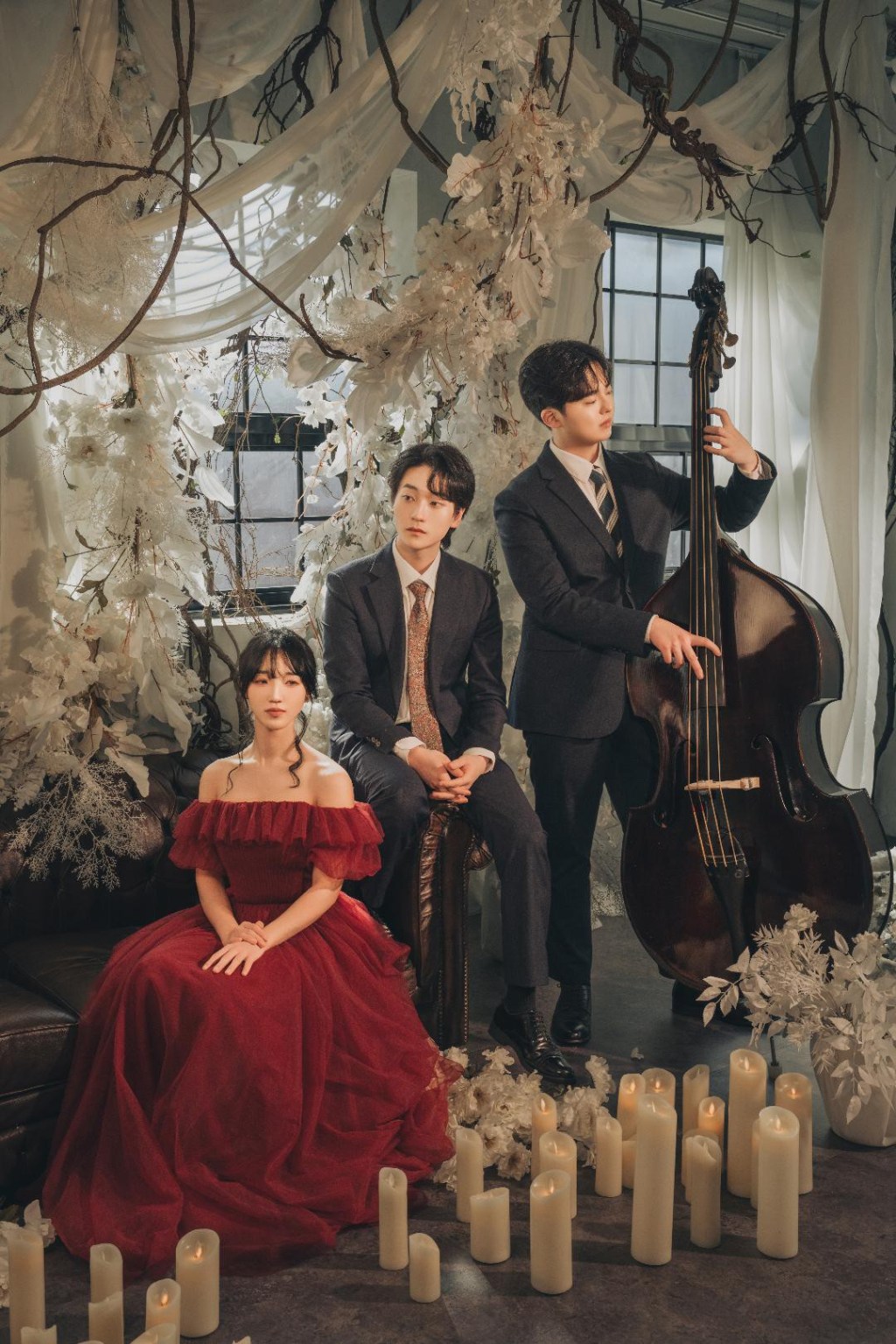
Jazz has always been a genre built on creativity, spontaneity, and connection. For South Korean jazz trio Cozy Jazz Office, those qualities come to life by transforming familiar melodies into vibrant, energetic performances that feel both refreshing and inviting. Whether it’s a beloved movie soundtrack, an anime theme, a children’s song, or a pop classic, the trio reimagines well-known tunes with rich harmonies, inventive arrangements, and expressive improvisation.
Driven by a shared passion for making jazz accessible to everyone, Cozy Jazz Office creates music that welcomes both longtime jazz enthusiasts and first-time listeners alike. Their performances celebrate the joy of discovery while proving that even the most familiar melodies can be heard in an entirely new way.
In this City Stories interview, Cozy Jazz Office shares the inspirations behind their musical journey, the artists who have shaped their sound, how each member contributes to the trio’s dynamic chemistry, and their vision for bringing the warmth and excitement of jazz to a wider audience.
Could you first introduce yourselves and tell us how Cozy Jazz Office was formed?
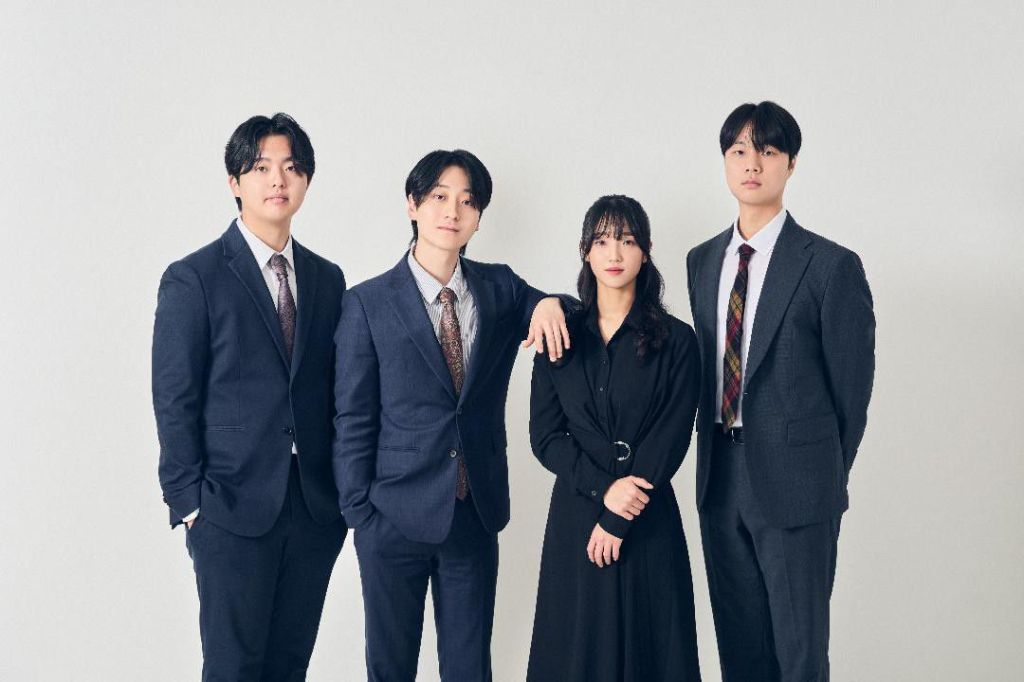
Hello! We are Cozy Jazz Office, a jazz band based in South Korea. At our core, we are a piano, double bass, and drums trio, but we also collaborate with a variety of musicians—including saxophonists, trumpeters, and vocalists—to create diverse and engaging performances.
We first met through the local jazz gig scene. As musicians, we noticed that many people still see jazz as something difficult or distant. We came together with the shared goal of showing that jazz isn’t intimidating or exclusive—it can be exciting, approachable, and enjoyable for everyone.
How did the name “Cozy Jazz Office” come about, and what does it mean?
The word “Cozy” represents a warm, comfortable, and welcoming atmosphere, while “Jazz” reflects the music we love to perform. We want jazz to be something people can enjoy in their everyday lives—not just on special occasions.
The word “Office” symbolizes a creative space where different musical ideas come together and new projects are constantly being developed. More than just a band, we hope to be a collaborative community where creativity continues to grow.
How would you describe Cozy Jazz Office’s musical style to someone hearing your music for the first time?
We’d describe our music as jazz that brings fresh excitement through vibrant arrangements of familiar melodies and energetic performances.
We reinterpret songs that many people already know—such as children’s songs, film soundtracks, anime music, and pop songs—using our own rhythms, harmonies, and improvisation. Our goal is to create jazz that feels welcoming and accessible, so even people who are new to the genre can naturally connect with and enjoy it.
What inspired each of you to pursue jazz, and which artists have had the greatest influence on your musical journey?
Piano:
When I was young, I deeply admired my piano teacher. Looking back, I realize that their playing style had the biggest influence on me. At the time, I didn’t even know the music they played was jazz—I simply loved it and tried to imitate it. Later, I discovered that it was jazz, and the more I studied the genre, the more I fell in love with it. Since then, I’ve continued my journey as a jazz pianist. The artist I admire the most and aspire to be like is Monty Alexander.
Drums:
Many of the drummers I admired built their own unique styles on a strong foundation of jazz. Learning that naturally sparked my interest in the genre. Since the drumming styles I loved were all influenced by jazz, I believed that studying jazz was essential if I wanted to develop my own musical voice. As I continued learning, I eventually fell in love with jazz itself and began studying it more seriously. The drummer who has influenced me the most is Eric Harland.
Double Bass:
I originally preferred pop and funk, so those were the genres I focused on while practicing. Everything changed when I heard Ray Brown perform “Fly Me to the Moon” with Monty Alexander and Russell Malone. That performance completely captivated me and inspired me to study jazz seriously. As I immersed myself in jazz, I was especially drawn to Paul Chambers. His swing feel, impeccable sense of time, and masterful walking bass lines greatly influenced my playing. To this day, I consider Paul Chambers the bassist who has had the greatest impact on my musical development.
As a trio, how do each of your individual strengths complement one another?
The piano provides the overall harmonic foundation and shapes the direction of our arrangements. The double bass serves as the musical anchor, giving the performance stability and depth, while the drums drive the energy, groove, and overall flow of the music.
Although each instrument has a distinct role, we constantly listen and respond to one another. When one member introduces a new musical idea, the others immediately build on it, allowing the performance to evolve in unexpected and exciting ways. That kind of spontaneous interaction is one of the most rewarding aspects of playing as a jazz trio.
Interestingly, our dynamic offstage mirrors the way we perform. The pianist often sets the band’s overall vision and direction, the drummer contributes fresh ideas and takes the lead on many of the technical aspects, and the bassist acts as the steady bridge between the two—keeping everything balanced while paying close attention to the finer details. Together, these complementary strengths help define both our music and the way we work as a band.
Could you tell us about your songwriting and arranging process?
Our songwriting process is usually led by our pianist, who takes the initial inspiration and serves as the “captain,” guiding the overall creative direction. The drummer and bassist then contribute their own musical interpretations and ideas, and we work together by respecting each other’s perspectives and refining the music through rehearsals.
When arranging an existing piece, we first think about the part of the original song that people love and remember the most. We preserve its core melody and emotional essence while reimagining the rhythm, harmony, and overall structure in our own style.
Rather than trying to perfect every detail from the very beginning, we start with a basic arrangement and let it evolve naturally during rehearsals. Many of the rhythms, improvisations, and spontaneous ideas suggested by the band members ultimately become part of the final arrangement.
Your music creates such a warm and comforting atmosphere. What emotions or experiences do you hope listeners take away from it?
We hope that, even if it’s just for a moment, our music can brighten someone’s day and bring them a sense of comfort and relaxation.
By hearing familiar melodies, we hope listeners are reminded of their own memories and cherished moments. At the same time, we want them to experience the joy of discovering those well-loved songs in a completely new light through our unique jazz interpretations.
How do you balance traditional jazz elements with modern sounds and ideas in your music?
We place great importance on the traditional language of jazz—its swing feel, blues, improvisation, and walking bass lines. At the same time, we actively incorporate music that modern audiences are already familiar with, such as pop songs, anime soundtracks, and film scores.
Rather than simply recreating traditional jazz styles, we tailor each arrangement to the character of the original piece, blending in a variety of rhythms and harmonic approaches, including funk, Latin, bossa nova, and shuffle grooves. Our goal is to preserve the essence of jazz while presenting it in a fresh, engaging way that resonates with today’s listeners.
Among the songs you’ve released so far, is there one that holds a special place in your hearts? Why?
One of our most meaningful pieces is “Twinkle, Twinkle, Chopsticks March” (a jazz arrangement combining “Twinkle, Twinkle, Little Star” and “Chopsticks”).
It was the very first project we created as Cozy Jazz Office, and it’s a piece we continue to perform to this day. In many ways, it’s the song that laid the foundation for who we are as a band, making it incredibly special to us.
Looking back on your performances, which stage or concert has been the most memorable?
One of our most unforgettable performances was at the Jeongdong Night Walk (Jeongdong Yahang) Festival.
During our busking set, we performed jazz arrangements of well-known Korean pop songs, and people of all ages—from children to older adults—began singing along together. The energy of that moment is still vivid in our memories.
After the performance, audience members lined up to take photos with us. For a brief moment, it genuinely felt like we were idols, and it’s a memory we’ll always treasure.
What are the biggest differences between performing live and recording in the studio?
For us, studio recording is about carefully crafting a finished piece of music. We focus on every subtle detail—from the smallest nuances in sound to the finest expressive elements—to create the best possible version of a song. We often revisit the same section multiple times to make sure we’re conveying exactly what we want to express.
Live performances, on the other hand, are shaped by the atmosphere of the venue, the audience’s energy, and even how each band member feels that day. Even when we play the same song, the solos, interactions, and overall energy are never exactly the same. That spontaneity is what makes performing live so exciting and rewarding.
Have you faced any challenges as an independent jazz group in South Korea? If so, how have you overcome them?
One of the biggest challenges is that we handle almost everything ourselves—from planning concerts and securing venues to coordinating schedules, creating content, mixing and mastering recordings, as well as composing and arranging our music.
When we first started, it often felt like we were learning everything from scratch through trial and error. But by staying persistent and refusing to give up, we’ve grown tremendously. Over time, we’ve become much more efficient, and we’ve developed the skills to manage every part of the creative process with confidence.
How do you see the Korean jazz scene evolving, and where do you hope Cozy Jazz Office fits within it?
We believe the Korean jazz scene has become much more diverse in recent years. Jazz is no longer limited to traditional jazz clubs—people can now experience it in public spaces, galleries, libraries, corporate events, and through online content. More musicians are also blending jazz with other genres and forms of cultural expression.
Within this evolving landscape, we hope the Cozy Jazz Office can serve as a welcoming gateway for people who are discovering jazz for the first time. By introducing familiar music through our own jazz interpretations, we want audiences to naturally experience the beauty of jazz rhythms and improvisation, and hopefully inspire them to explore the genre more deeply.
Is there an artist or musician you’d love to collaborate with in the future?
There are so many incredible musicians we’d love to work with. Personally, though, we’re especially interested in collaborating with artists from completely different creative fields.
For example, we’ve always been excited by the idea of combining our music with performances by magicians, b-boy dancers, or even circus artists. We believe that bringing jazz together with these different art forms could create a truly unique and unforgettable experience for audiences.
Q: How do you think the Korean jazz scene has evolved in recent years, and what kind of place does Cozy Jazz Office hope to establish within it?
In recent years, we believe the Korean jazz scene has become more diverse and accessible. Beyond traditional jazz clubs, people are now discovering jazz in a wide range of settings, including streets, exhibition spaces, libraries, corporate events, and online content. More musicians are also blending jazz with other genres and cultural forms, making the music more approachable to broader audiences.
Amid these changes, Cozy Jazz Office hopes to become a welcoming gateway for people experiencing jazz for the first time. Through familiar melodies and an inviting atmosphere, we want listeners to naturally discover the rhythms, improvisation, and unique charm of jazz, inspiring them to explore the genre more deeply.
Is there an artist or musician you would love to collaborate with in the future?
There are so many incredible musicians we’d love to work with, but personally, we’re especially interested in collaborating with artists from completely different creative fields. We’ve always imagined combining our music with performances by magicians, B-boy dancers, or even circus artists. Exploring the intersection of jazz and other forms of performance art would be an exciting and inspiring experience for us.
What role does improvisation play in your live performances?
Improvisation is one of the most important elements that makes every Cozy Jazz Office performance unique. While the overall song structure and arrangements are carefully prepared, the length of each solo, the way we perform, and the interactions between the members naturally change from one show to another.
For us, improvisation isn’t about one musician standing out—it’s about having a conversation. One member introduces a rhythm or melody, and the others respond, creating music that exists only in that particular moment. Because every performance unfolds differently, each one is filled with excitement, spontaneity, and the joy of discovering something new together.
Outside of music, what people, places, or moments in everyday life inspire your creativity?
We find inspiration in the ordinary moments of everyday life. It could be a cat we encounter while taking a walk, the scenery during a trip, or a memorable scene from a film or an anime. More often than not, our creative ideas begin with these small, seemingly simple moments that leave a lasting impression.
How do you connect with fans outside of Korea?
We primarily connect with our international audience through Instagram and YouTube. We believe that music can be enjoyed regardless of language, so we often reinterpret well-known film soundtracks, anime music, and pop songs in our own jazz style to make them accessible to listeners around the world.
Whenever we discover through comments that people from different countries are listening to our music, it fills us with both surprise and gratitude. We also make an effort to reply in English and other languages whenever possible, so we can communicate more directly with our international fans and build a genuine connection with them.
Are there any upcoming projects, new releases, or performances that fans can look forward to?
On October 9, which is Hangul Day in South Korea—a national holiday celebrating the creation of the Korean alphabet—we’ll be presenting a special themed concert inspired by Hangul. The performance will feature music that highlights many traditional elements of Korean culture.
As this will be our very first self-produced themed concert, we’re putting a great deal of care and passion into preparing it. If you happen to be in Korea, we’d be delighted to have you join us and experience it in person.
What advice would you give to aspiring musicians who dream of pursuing jazz professionally?
We encourage aspiring jazz musicians to keep creating, even if it’s through small performances or simple video recordings. Rather than waiting until everything feels perfect, it’s more important to keep performing, producing content, and sharing your work. Through that continuous process, you’ll gradually discover your own musical identity and artistic voice.
Finally, is there a message you’d like to share with your fans around the world and the readers of City Stories?
Thank you so much for listening to our music and for supporting Cozy Jazz Office. It means a great deal to us to know that, despite our different languages and cultures, music has the power to bring us together.
We’ll continue to reimagine familiar melodies in our own unique style and share them with you. We hope our music brings a little joy, comfort, and warmth to your everyday life.
We also hope that one day we’ll have the opportunity to perform in your city and meet you in person. Until then, thank you for being part of our journey, and we wish you happiness always!
Enjoyed getting to know Cozy Jazz Office?
Stay connected with their latest music, performances, and updates by following their official social media accounts. Just click the social links below and show them some love!
Follow
 Welcome to City Writer
Leave a comment