
South Korean singer-songwriter Slur creates music rooted in personal experiences, childhood memories, and the emotions of uncertainty and self-discovery. Moving between R&B/Soul, indie, and indie rock, Slur’s journey began with guitar and bass before evolving into a deeply personal singer-songwriter project.
With releases including You of April and Zelos, Slur hopes to create music that connects with listeners and leaves a lasting afterglow long after the song ends.
In this City Stories interview, Slur talks about their musical journey, the meaning behind their name, creative process, influences, and the future they hope to build through music.
For readers who are discovering Slur’s music for the first time, how would you introduce yourself and your music?
Hello! I’m Slur, and I make music about those moments when people become connected to one another. 🙂 I create music based on my experiences and emotions—music that people can relate to. I often turn memories from my childhood into songs.
We heard that your artist name, “Slur,” comes from a musical term that connects different notes. What does the name mean to you personally?
“Slur” is the Korean musical term for “이음줄,” meaning a connection between notes, and my real name is Jeong Yi Eum. It’s a very rare name in Korea.
Because of that, I’ve thought of the word “slur,” which comes from my real name, as part of my identity since I was very young. So when I decided to pursue my dream of becoming a singer-songwriter, I knew that I wanted “slur” to be my artist name.
What was the biggest turning point or inspiration that made you decide to become a singer-songwriter
About five or six years ago, I briefly worked as a vocalist in a band. Unfortunately, it coincided with COVID-19, so we couldn’t properly rehearse or perform, and eventually the band quietly came to an end.
Then, about two years ago, I met up with those former band members for a drink, and it made me want to pursue music again.
People around me also kept telling me, “You should write songs. You’d be good at it.” That encouragement eventually gave me the push to start.
Emotions such as uncertainty, loneliness, anxiety, and self-discovery often appear in your music. Why are these themes important to you
I really dislike situations that are uncertain and beyond my control. When I find myself in those situations, feelings like anxiety, self-blame, and restlessness tend to grow deeper.
But the more I think about those experiences, the more self-reflection and insight I gain from them. Once I become aware of the emotions inside me, I feel ready to turn them into material for a song.
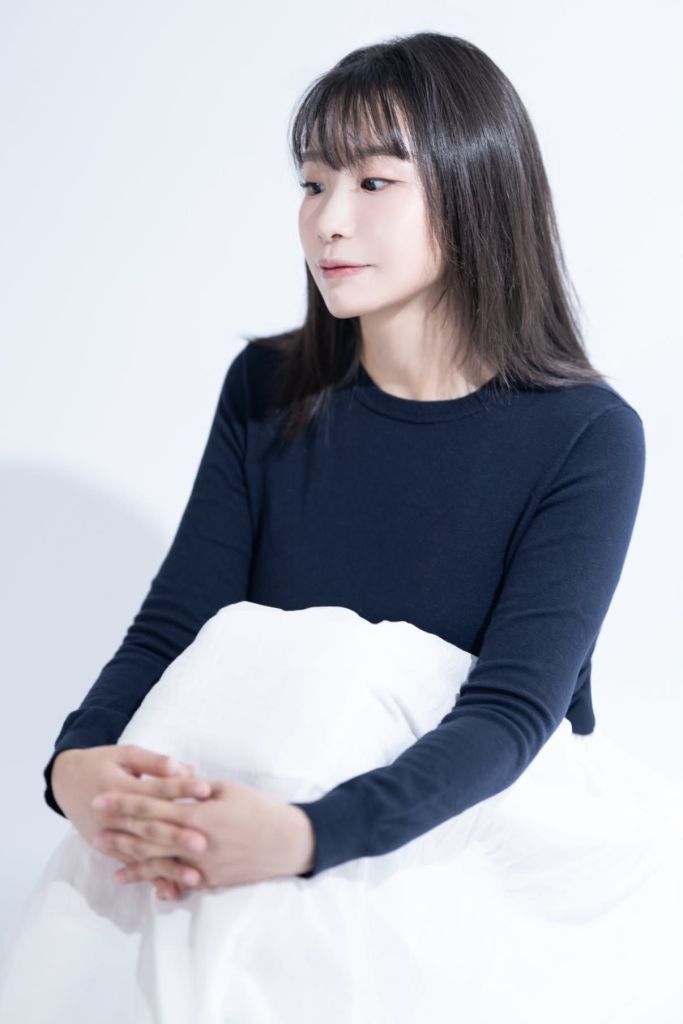
How would you describe your musical identity, and what kind of music do you want to share under the name Slur?
It may change as I grow, but for now, I want to express myself through songs and create music that allows me to find common ground with listeners.
Through those shared feelings, I hope my music can lead to new connections in many different forms.
You of April (사월의 너)” was your first single as a singer-songwriter. What did releasing that song mean to you?
At first, it didn’t really feel real. I remember thinking, “I actually wrote a song under my own name and released it!”
But as I started hearing from people who had watched my performances and then looked up my music afterward, I became more motivated and excited to continue working as a singer-songwriter.
I feel like that song was the spark that kept me making music.
What story did you want to tell through “You of April”? And how does the feeling of spring connect to that story?
I think spring is a season that feels warm and bright, but at the same time, it can also feel bittersweet because it comes right after winter.
I wanted to capture that feeling of spring and tell the story of beautiful young people who share and exchange their music with one another.
Among the songs you have written and composed yourself, is there one that feels particularly meaningful or precious to you? What makes it special?
I have the strongest attachment to a song called “Zelos.”
While writing the lyrics, I spent a lot of time thinking about how I could capture and condense the many different emotions I carry inside me while expressing them as honestly as possible.
Because of that, it also contains the lyrics I’m most proud of.
When you create a song, what usually comes to you first—a lyric, melody, emotion, or a particular experience?
When an old memory or situation comes to mind, I look back on it and think about which emotions I want to turn into a song.
Then I usually create the melody first and write the lyrics at the very end.
How do you turn your personal experiences and emotions into music that listeners from different backgrounds can relate to?
I don’t necessarily think that every listener will be able to relate to my music.
There will be people who have had experiences similar to mine, and among them, there may be a smaller number who have felt the same emotions I did.
I think connecting with those people and sharing those feelings with them comes first.
Is there an artist, musician, or genre that has had a major influence on you as you create music and grow as an artist?
I really love the Japanese singer-songwriter Vaundy. I admire him both as a vocalist and as a songwriter.
He has an incredible ability to express such a wide range of emotions through his voice, and I’m amazed by how one person can create music across so many different genres. His musical spectrum is incredibly broad.
I often think about wanting to become an artist like Vaundy when I’m writing songs and performing.
You showcase a variety of musical colors, including R&B/Soul, indie, and indie rock. When deciding on the musical direction of each song, what is most important to you?
So far, I’ve been careful not to make songs that sound too similar to ones I’ve already created.
Of course, I naturally have certain genres and moods that I like, and I don’t think there’s anything wrong with that. But I still consider myself to be at the beginning of my journey, so I want to try as many different things as I can while I have the opportunity.
What has been the biggest challenge in developing your own musical identity as a singer-songwriter?
It was the realization that I don’t know everything, along with the question of whether I might become too absorbed in my own perspective.
I never formally studied music, so I rely almost entirely on my instincts when writing songs and singing. I also try to stay as positive as possible.
Because of that, I sometimes found myself worrying that I might become too convinced that I was doing everything right. Being cautious about that mindset and constantly questioning myself became one of my biggest challenges.
Was there a particular moment when you clearly realized, “This is the kind of artist I want to become”?
There’s an indie artist named MAG who is active in the same region as me. When they were invited to perform at a festival in another region, I went to see them.
Watching them perform on such a huge stage, introducing our region to people while everyone was moving along to the music, was incredibly inspiring.
That was when I realized that I wanted to become an artist who could introduce myself, my region, and my world to other people.
What is something new you discovered about yourself while creating and releasing your own music?
I realized that I actually have quite a strong drive when it comes to things I care about.
I often feel like I procrastinate because I’m too lazy to do certain things, but when it comes to music, I’m not afraid to keep trying and moving forward.
Whether it’s traveling to another region for a performance or reaching out to people to release my music, I find that I don’t hesitate at all when it’s something related to music.
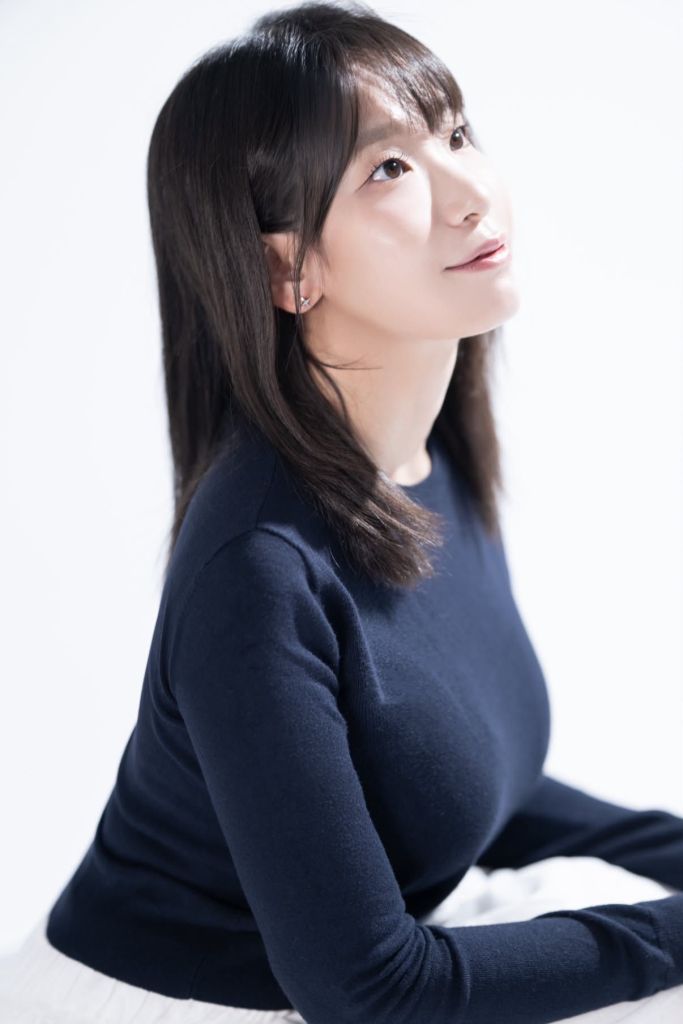
Among the songs you’ve released so far, is there one that has a particularly strong personal meaning or best represents who Slur is today?
“Zelos,” my second release.
I expressed the emotions that have driven me as an artist without holding anything back, so I think it represents me better than any other song right now.
If someone were listening to Slur’s music for the first time, which song would you recommend they start with, and why?
I would recommend my first single, “You of April.”
It was the very first song I ever created and also my first single, so I feel like it contains the most raw and unfiltered version of me.
“Zelos” certainly represents me well too, but I think I naturally place a lot of meaning on being first.
After listening to Slur’s music, what kind of emotion or message would you like listeners to take away?
I want my music to be remembered as something that leaves an afterglow.
I don’t want it to be something that only stays with you while you’re watching a performance or listening to a song. I want it to follow you afterward—when you leave the venue, go home, lie down in bed, and stare at the ceiling, with the music quietly lingering in your ears.
What stories do you want to continue telling through Slur? And are there any new kinds of music or activities you’d like to share with your fans in the future?
Slur will continue taking on new challenges, and throughout that journey, I want to make sure I never lose my sense of gratitude.
I want to show the fans who support me even at this stage, when I’m still “nothing much,” how much I can continue to grow.
Right now, I play and sing on my own, but I’d also love to meet listeners through a full band setup, as well as performances where I can focus entirely on singing. I’m excited to explore those different sides of myself with them!


Leave a comment