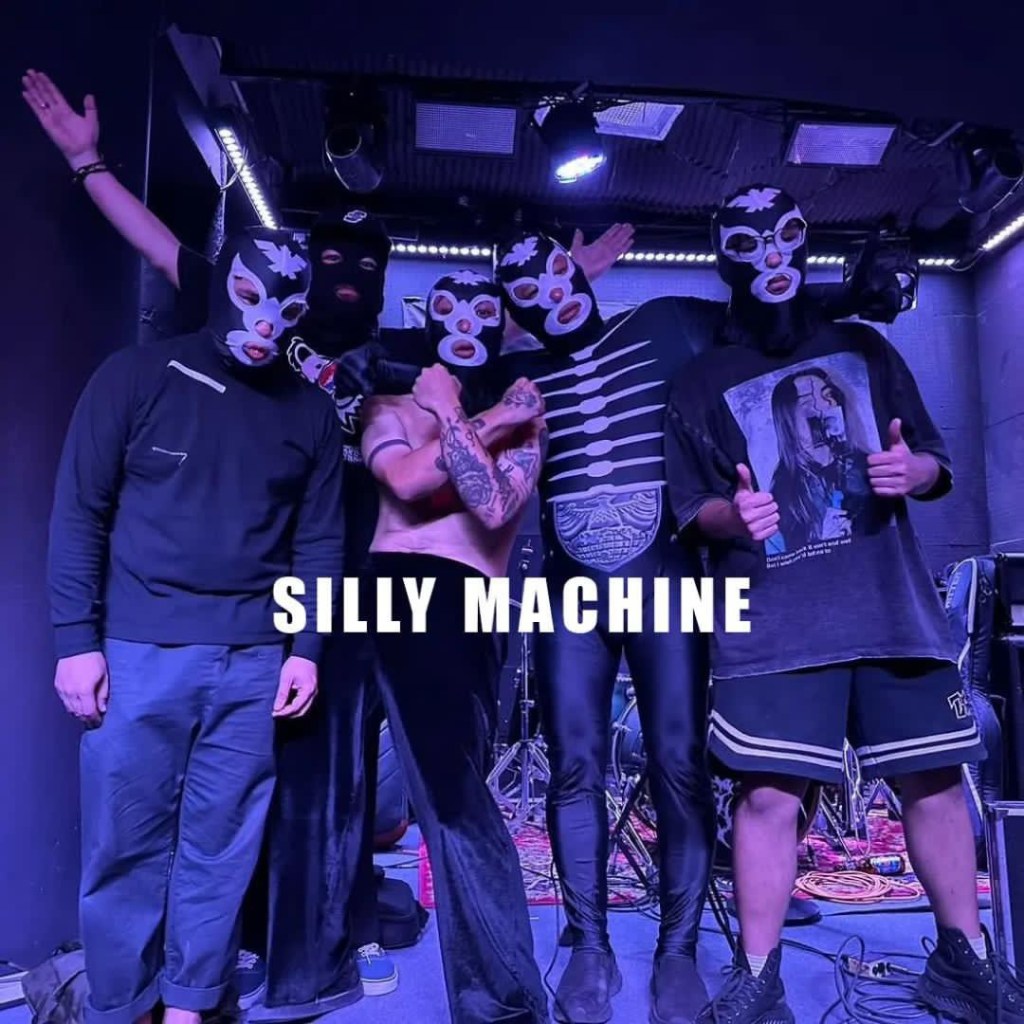
Photo Courtesy of Silly Machine
Silly Machine, a Bangkok-based band known for their experimental and psychedelic approach to music. Emerging from Thailand’s vibrant underground scene, the group has been steadily gaining attention for their unique sound and energetic live performances.
Blending improvisation, raw instrumentals, and a free-flowing creative style, Silly Machine represents a fresh wave of indie musicians who push beyond traditional genre boundaries.
In this interview, we’ll get to know more about their journey, influences, and the story behind their distinctive sound.
Can you introduce Silly Machine to our readers? How did the band start?
We started out as a group of university friends playing covers together. At first, it was just for fun, but we gradually got more opportunities to perform at events, mainly covering bands like Rage Against the Machine, Limp Bizkit, and System of a Down.
Eventually, we were invited by The Rock Pub to become a regular Saturday act, and we’ve been playing there consistently for the past 10 years.
What’s the story behind your band name “Silly Machine”?
It’s actually pretty straightforward. “Silly” comes from Silly Fools, and “Machine” is inspired by Rage Against the Machine.
Those two bands had a huge influence on us early on, so the name kind of reflects where we came from musically—it’s like a blend of both worlds.
How did the members meet, and what brought you together musically?
We first met in university and started out as a band back then, with our vocalist, Dum, actually playing drums at the time.
After graduation, everyone went their own way for a while, but we eventually reconnected through playing at friends’ weddings and small events. That’s when things started to evolve—Dum transitioned into the vocalist role, and we began performing more Rage Against the Machine sets at events. Over the years, the lineup has changed here and there, with members coming and going, until it gradually shaped into what Silly Machine is today.
How would you describe your sound in your own words?
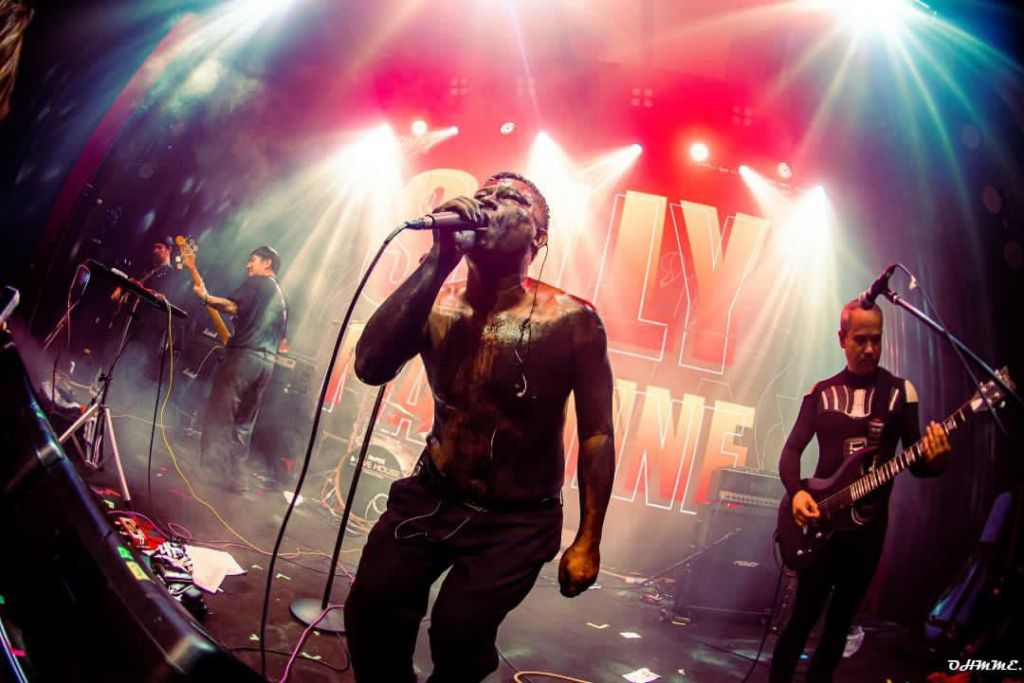
Our sound isn’t just about what you hear—it’s also about what you see and feel on stage. We bring a mix of heavy, high-energy music with a performance style that can be intense, chaotic, and sometimes even humorous.
It’s that balance between aggression and fun—raw, explosive, but never too serious—that really defines us.
Are there specific artists or bands that shaped your style?
Bands like Rage Against the Machine, System of a Down, and Limp Bizkit have been major influences on our sound, especially in terms of energy, groove, and attitude.
We’ve always been drawn to that mix of heaviness and character—music that hits hard but still has personality.
Do you lean more into original music or covers during your live sets?
Right now, our live sets are mainly cover-based, but we approach it with a mindset of constant challenge and evolution.
We’re not the kind of band that sticks to one lane. We’ve built a solid repertoire of 10+ songs from bands like Rage Against the Machine, Limp Bizkit, System of a Down, and Linkin Park, which we play regularly. But what really drives us is taking on challenges—sometimes we get requests for bands we’ve never even listened to before, and we push ourselves to learn them from scratch.
That’s how we ended up adding around 10 Avenged Sevenfold songs, 10+ from Turnstile, and now we’re currently expanding into Sleep Token. It keeps things exciting for us, and for the audience too.
What’s your usual songwriting process like?
Our songwriting usually starts with a riff or a groove. We jam on it together and let the idea evolve naturally, building the structure as we go. Once the music feels right, the lyrics come in afterwards to match the energy and direction of the track. It’s a very organic and collaborative process.
Do your songs come from personal experiences, or do you explore broader themes?
It really depends on the song. Some of our tracks come from personal ideas, but a lot of them lean more toward experimentation and open interpretation.
For example, in “Why So Serious,” we deliberately break conventions—it’s a metal track that features a spoken-word section using a traditional Thai poetic form instead of a guitar solo. Then there’s “Shark Bites Teak,” which is more abstract and left open for interpretation, and “I Can Smell Something,” which is… exactly what it sounds like.
We like to keep things unpredictable and not limit ourselves to one way of expressing ideas.
Bangkok has a vibrant live music scene—what’s it like performing there?
Cover bands definitely have an advantage, since the audience already knows the songs—it’s easier to get an immediate reaction. But when it comes to original music, if you have something real to offer, people are actually very open and ready to have fun with it.
At the end of the day, it’s all about how much energy you bring on stage—if you’re fully committed, the crowd will feel it.
Do you have a memorable gig or moment on stage that stands out?
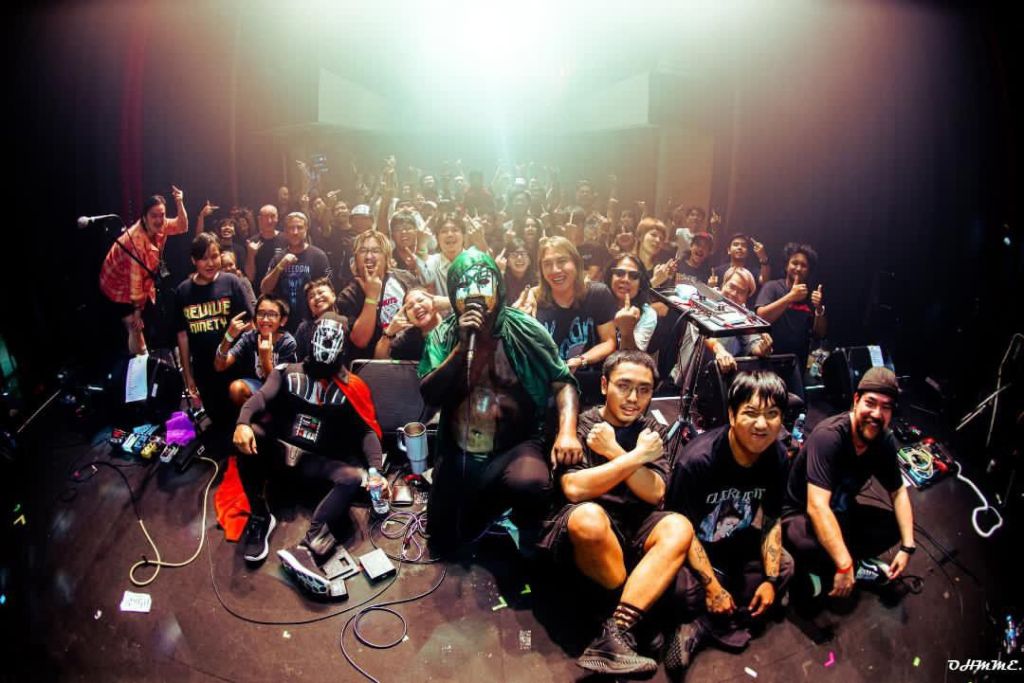
We’ve been playing for over 10 years now, so honestly, every night feels special in its own way. It might sound cliché, but it’s true. We’ve seen it all—from small ground-level stages to big festival setups, from packed bars with hundreds of people to playing for just the staff the next day in the same venue. But for us, it doesn’t really matter.
We bring the same energy every time. Whether it’s a full crowd or an empty room, we play like it’s the same show. That’s what keeps it meaningful.
How do you connect with your audience during performances?
I try to connect with every single person in the room—making eye contact, locking in, and pushing the meaning of the song out the way I interpret it. We’re not up there just to recite lyrics or play notes.
We’re there to go all in. Sometimes we talk to the crowd, but we’re not really into saying anything “cool.” If anything, it’s usually something stupid or funny. But once the music starts, it’s serious—we go all out.
How would you describe the current indie/nu-metal scene in Bangkok?
The indie scene is constantly changing—new bands come in, older ones fade out. At its core, it’s really driven by small but dedicated communities within each sub-genre. There are also gatekeepers who naturally shape the scene based on their own taste.
They’re not necessarily wrong—it’s just that there aren’t many of them, so things can sometimes feel repetitive or a bit limited. That said, there are still bands on the fringes pushing as hard as they can to survive and stand out.
Overall, the scene is growing—but slowly. As for nu-metal covers, it’s definitely expanded. Back then, there were only a handful of bands doing it. Now, there are countless.
What challenges do underground bands like yours face today?
Like we mentioned earlier, cover bands naturally have more opportunities. When it comes to indie or original music, it’s a bit like being a professional athlete—if you get picked, you’re in. If not, you have to find other ways to survive, whether that’s playing covers or working a day job.
It really comes down to the ecosystem in this country. The culture of actively listening to unfamiliar or new music isn’t fully there yet, which makes it difficult for true livehouses to survive. What we mostly see now are hybrid venues—bars that rely on cover bands, with occasional space for original acts.
What makes Silly Machine stand out from other bands in the scene?
We’re probably not the best band out there—but we’re one of the most real. There’s something raw and intense about what we do, and it’s hard to explain unless you see it for yourself. So yeah… you just have to come and experience it.
Are you currently working on any new music or releases?
To be honest, we’ve kind of forgotten most of our own songs at this point. But we do have around
four or five original tracks, and we’ve been thinking about bringing them back, recording them
properly, and releasing them as they are.
Do you have plans to release an EP/album or go on tour?
We’ve actually been touring quite a bit already through cover shows. For original material, the plan is to release an EP with the songs we have and see how people respond. From there, we’ll figure out the next step—whether there’s enough interest to take it further.
Any dream collaborations—local or international?
Dream collaborations? Anyone, really. But yeah—Rammstein would be wild. For Thai artists, maybe Paradox… that could get pretty chaotic.


Leave a comment