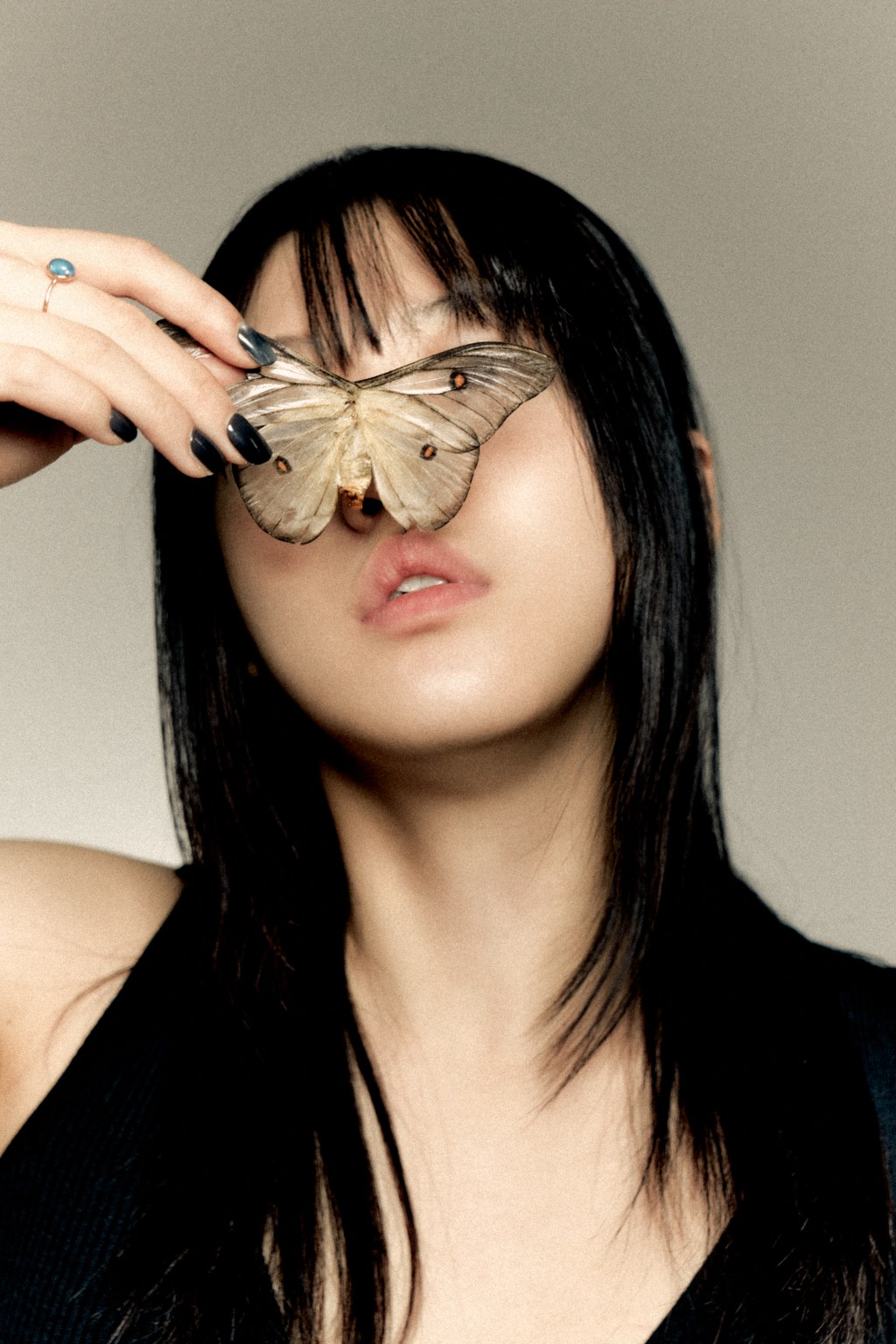
Music has the power to heal, inspire, and connect people across cultures—and our next guest embodies that beautifully.
From South Korea, Seyan Kim is a singer-songwriter, composer, and producer whose heartfelt music reflects honesty, emotion, and artistic passion. Through her self-written songs and unique musical style, she continues to touch listeners with stories that resonate beyond language.
In this special City Stories interview, Seyan opens up about her journey as an independent artist, the inspirations behind her music, her creative process, and the dreams that continue to fuel her career.
Join us as we discover the story behind the melodies and get to know the woman whose music speaks straight to the heart.
For readers who are discovering you for the first time, could you introduce yourself and share how you first started making music?
Hello, I’m Seyan Kim, a singer-songwriter who sings of snow-white landscapes.
I went through a rather difficult period during my teenage years. I struggled to connect with my classmates, and my parents had high academic expectations for me, which often left me feeling like I was sinking deeper and deeper. Whenever that happened, I would retreat to my room, put on my headphones, and lose myself in music.
At that time, the song Don’t Cry by Broccoli, You Too? brought me immense comfort. Listening to it, I found myself thinking, “Someday, I want to become someone who can give people like me the strength to keep living.” That vague but powerful desire became the greatest reason I started making music.
What inspired you to become a singer-songwriter and composer?
I studied classical piano and violin for many years as a child. To be honest, it wasn’t something I chose for myself—it simply felt like something I was expected to do. At the time, I wasn’t particularly interested in performing, and I even thought I lacked musical talent. So when I first began pursuing music seriously, I naturally assumed I would focus on being a vocalist.
However, the longer I stayed in music, the more I realized that my creative instincts were stronger than my desire to simply perform. My early experiences with instruments, combined with years of musical exploration and reflection, eventually led me to the path of a singer-songwriter.
Looking back on your musical journey so far, was there a turning point when you realized music could become your career?
There wasn’t one dramatic turning point. I’ve simply been making music for more than ten years, and it has become as natural as breathing.
When I reflect on the times I felt most depressed, I realize they were often periods when I had stopped working on personal creative projects for a long time. That’s why I came to believe that making music isn’t just something I enjoy—it’s something I need to do to survive.
I think that’s how I’ll continue living for the rest of my life.
Your songs often carry deeply sincere emotions. How have your personal experiences influenced your songwriting?
In the past, I described my songwriting as “emotional catharsis.”
Whenever my emotions built up—especially the negative ones—I felt the need to release them regularly. As a result, my earlier albums weren’t created with listeners in mind as much as they were an outlet for everything I was carrying inside.
These days, I think more carefully about how my words and music might reach others, and what kind of message I hope to convey. But those messages still originate from my own experiences and reflections, so I would say my personal life continues to have a profound influence on my music.
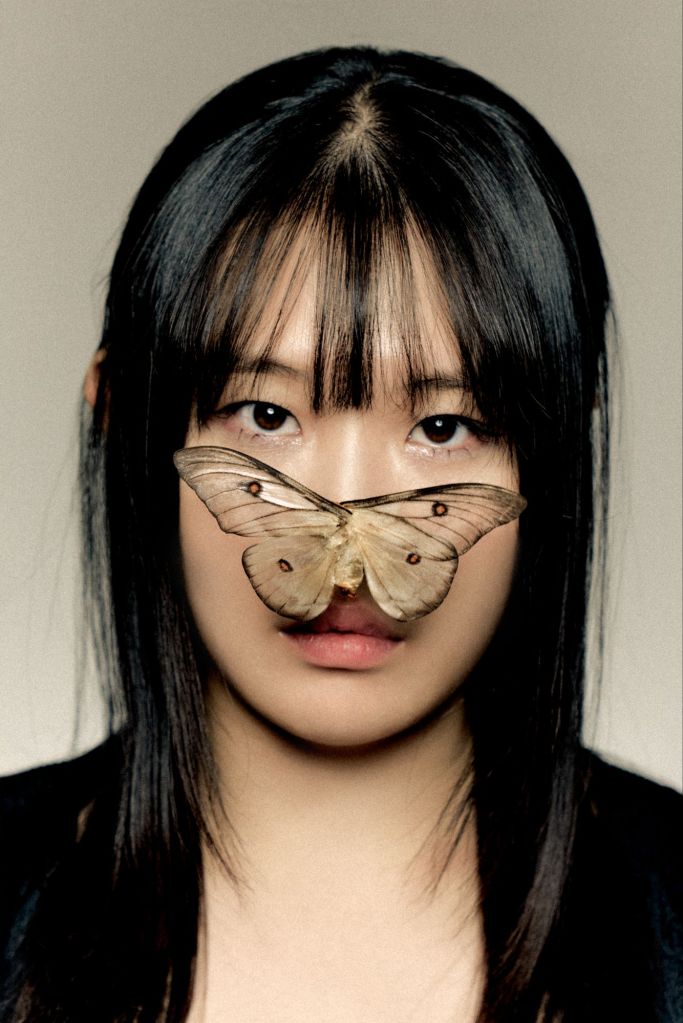
Could you walk us through your creative process when writing a new song?
Every song begins differently.
Sometimes a melody suddenly comes to me, and I’ll hum it repeatedly before adding harmony and instrumentation. Songs like Greenu Blueme and my latest single were created that way.
Other times, I’m inspired by a book, a film, or an overwhelming emotion. In those cases, I begin by writing down my thoughts and feelings, so the lyrics come first. Then I translate those emotions into music through the piano, building the instrumental foundation before layering melodies on top.
As for instrumental pieces, they’re often born from emotions that words cannot adequately express. That’s why I choose not to add lyrics. Tracks like De the Trauma and I Play the Piano When I’m Sad are examples of this approach.
You both perform and compose music. Which role feels more challenging, and why?
I’m naturally a homebody, so I feel most comfortable spending hours in a studio working on music.
Because of that, performing is definitely more challenging for me. Composition allows me to focus primarily on musical elements, but a live performance requires attention to much more than music alone—you have to think about visuals, stage direction, audience flow, and the overall experience.
In that sense, performing demands a wider range of senses and a great deal more energy.
Among all the songs you’ve released, is there one that holds especially deep meaning for you?
The song 424: Take Some Blue from my EP De the Trauma, released last year, is probably the most meaningful to me.
It contains some of the most honest thoughts and feelings I had been carrying for a very long time. After completing that song, I felt an incredible sense of relief—almost as though I had finally received an answer to something I had been wrestling with for years.
https://open.spotify.com/track/10Hb6kkxFsT2P5VnM9xjcG?si=Qdf-aEGIQMKmwOk-bvfEcA
How would you describe your musical style to someone who has never heard your music before?
I’ve always found it difficult to define my music by genre alone.
Each album explores different sounds, so even my listeners might feel surprised whenever a new release arrives. But if I had to summarize the core of my music in one sentence, I would describe it as emotionally driven electronic music that explores themes of loss, trauma, and compassion through sound.
Which musicians or artists have influenced your artistic perspective and musical identity?
I listen to such a wide variety of music that it’s difficult to name just one artist.
Lately, I’ve been deeply inspired by Ólafur Arnalds and yeule. I also love the unique emotional atmosphere often found in Nordic music, so artists like Sigur Rós and Aurora have had a significant influence on me. Additionally, I’ve drawn a great deal of inspiration from the sonic worlds and artistic sensibilities of Björk and James Blake.
What lessons have you learned from the challenges you’ve faced in the music industry?
There was a time when I believed turning something you love into a career could actually make you unhappy.
Over time, however, I’ve learned how to separate commercial projects from personal artistic work to some degree, and that has helped resolve many of those concerns. It’s still an ongoing process, of course.
What I’ve learned most is the importance of gratitude and of always doing my best for the people I work with.
Many aspiring artists look up to you. What advice would you give to those who are just beginning their musical journey?
There’s something I always tell my students: never forget the feeling you had when you first started making music.
Every path comes with difficult moments. When those challenges arise, remembering why you chose music in the first place can help you find the strength to keep moving forward.
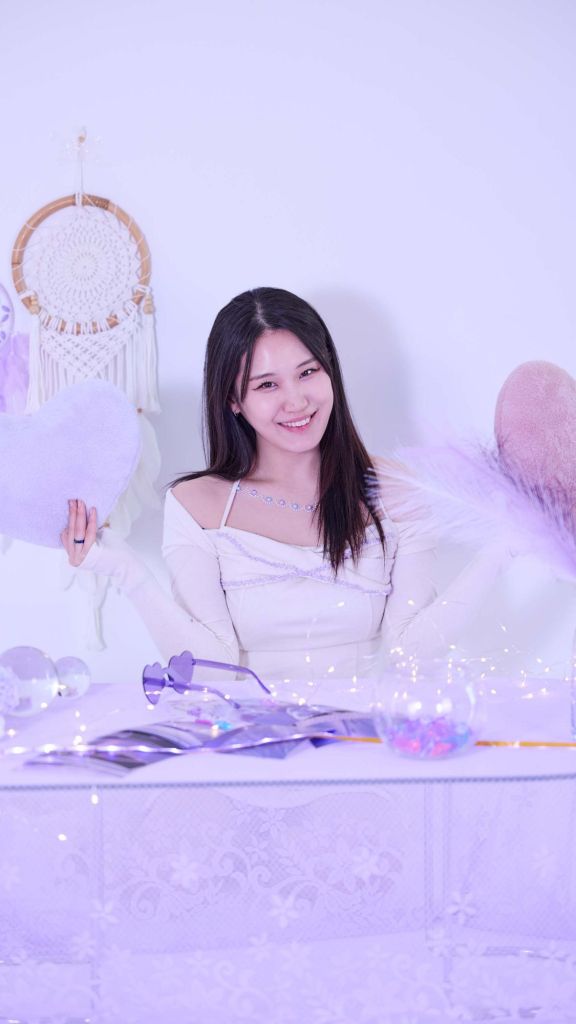
Many aspiring artists look up to you. What advice would you give to those who are just beginning their musical journey?
As I mentioned earlier, making music has become a habit for me.
Because I’ve long used songwriting as a form of emotional release, I often find myself creating even more when I’m under stress. Whenever my emotions become overwhelming or difficult to process, music provides a way to organize those feelings and bring them into the world.
What has been the most memorable moment of your career so far?
One of the most unforgettable moments was my recent concert, De the Trauma in Seoul.
Seeing the audience’s shining eyes and their tears made me feel that my sincerity had truly reached them. That feeling has stayed with me ever since.
14. As an artist, what message or feeling do you hope listeners take away from your music?
I hope people will continue to love, even in the face of inevitable loss.
Is there a living artist you would like to collaborate with, and what kind of music would you create together?
Sometimes I come across artists who make me think, “This person resembles me in some way.”
Those are the people I’d love to collaborate with. Sharing our thoughts on the same subject and developing them together is always moving and inspiring.
Rather than aiming for a specific genre or artist, I hope to create music with people who share a similar emotional wavelength—music that feels equally like them and me.
How has your perspective on music changed since your debut?
When I first debuted, I cared too much about other people’s standards.
I worried about things like what a singer-songwriter was supposed to be, or what I needed to do to achieve success. I also spent a lot of time thinking about the balance between artistic integrity and commercial appeal.
The conclusion I’ve reached is that I simply don’t possess an exceptionally mainstream sensibility—and that’s okay. Rather than forcing myself to imitate something that isn’t natural, I’ve chosen to focus on creating what feels most authentic to me.
That’s probably the biggest change in my mindset.
Are there any genres or musical styles you’d like to explore in the future?
Since piano has always been my primary instrument, most of my compositions begin there.
In the future, I’d love to collaborate with electric guitarists and create songs together in real time. Building guitar riffs and chord progressions on the spot, then layering groove machines and synthesizers over them, could lead to entirely new sounds.
I’d also like to dive deeper into ambient music whenever the opportunity arises.
As an artist and composer, what is your current goal or dream?
My greatest dream is simply to keep making music for as long as possible—and to endure for as long as nature allows.
Finally, what can fans expect from Seyan Kim in the future? And do you have a message for City Writer PH readers?
To all the readers of City Writer PH, thank you for your interest in my music and my journey.
In the future, I hope to share even more honest stories through my work, and I sincerely hope you’ll join me on that journey.
No matter how exhausting or difficult life becomes, let’s continue to survive together.
Thank you.
Stay connected with Seyan Kim and never miss her latest music, updates, and creative journey!
Show your support by following her official social media accounts and streaming platforms. Simply click the links below to join her growing community and keep up with her newest releases.


Leave a comment