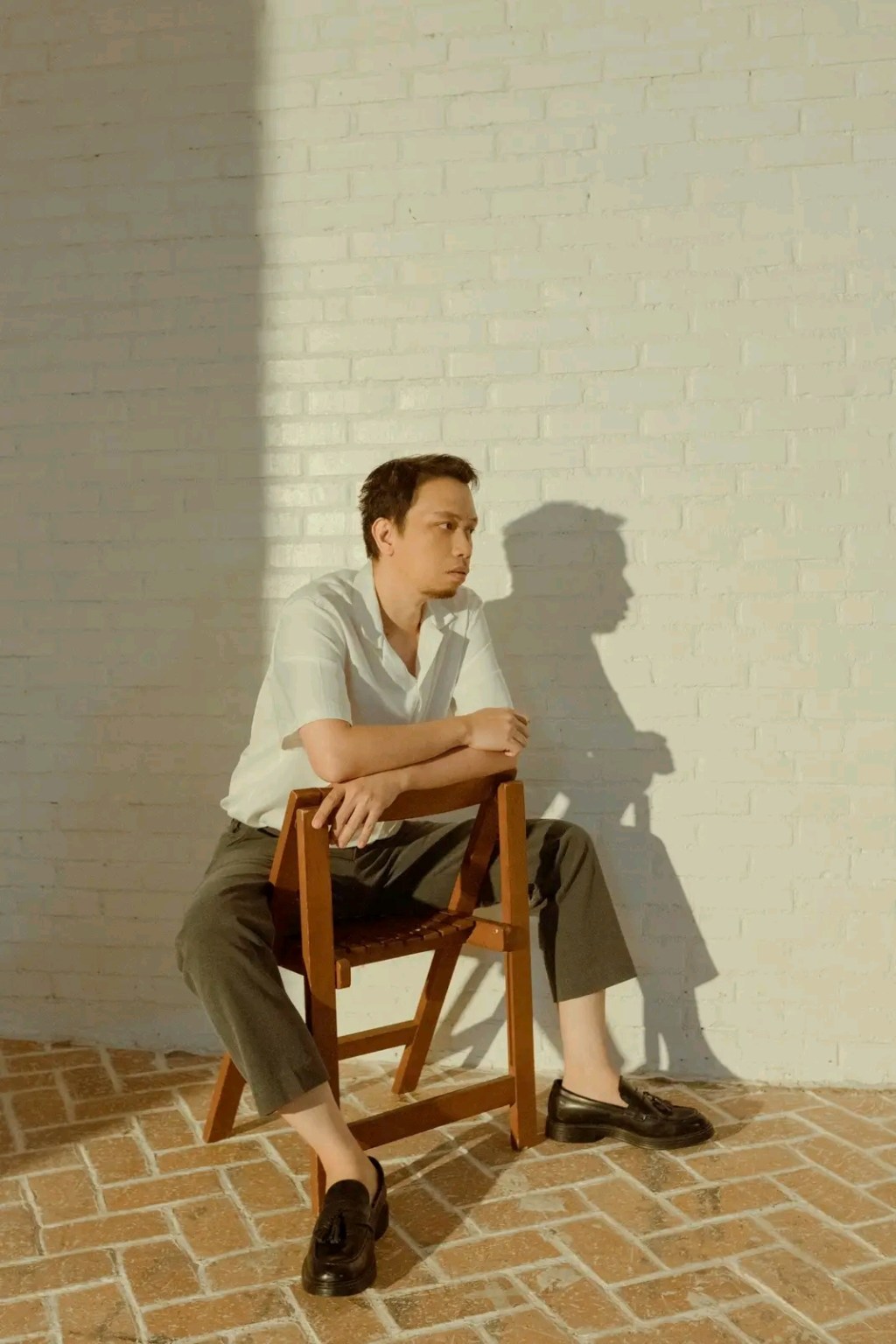
From musician and arranger to producer and musical director, Adonis Tabanda has built his career through creativity, collaboration, and continuous learning.
With years of experience working with artists and exploring different sides of the music industry, Adonis believes that versatility and adaptability are essential to lasting in the ever-changing world of music.
Now, his focus goes beyond his own craft. Through mentoring, coaching, and developing artists, he hopes to pass his knowledge to the next generation and leave a meaningful legacy.
In this City Stories: Masters Edition, discover Adonis Tabanda’s journey, creative philosophy, and vision for the future of music.
Looking back at the beginning of your musical journey, what first drew you to music, and when did you realize that it could become more than just a passion?
I started becoming interested in music when I was around 13 years old, playing in a small church. I began as a guitarist and eventually switched to bass. That was when I realized music was becoming more than just a hobby for me.
That small beginning gave me a place to learn, grow, and discover what I wanted to pursue in life.
You have worked across different roles as a musician, songwriter, arranger, producer, and musical director. How did each stage of your career shape the way you approach music today?
Every role taught me something different. Being a musician taught me discipline and technical skills; arranging and producing taught me how to build music and work seamlessly with artists and clients; and musical directing taught me leadership and how to understand different working styles.
I try to take something from every person and every experience and apply it to my own craft.
Was there a particular moment, project, or person that became a turning point in your career?
One of the biggest turning points was when I started getting opportunities as a musical director, beginning with Rico J. Puno. He trusted me with that responsibility and even told me that I could make it in this industry.
That encouragement stayed with me, and after that, more opportunities started coming.
You have worked with many talented artists throughout your career. What have these collaborations taught you about music, people, and yourself?
Collaboration is very important because talented people always have something to teach you. Beyond music, I learn from their stories, humble beginnings, struggles, discipline, and how they deal with other people.
Working with different artists reminds me that becoming better at your craft also means becoming better at working with others.
As a producer and arranger, how do you approach a song when an artist first brings it to you? What do you listen for before deciding where to take the music?
Sometimes an artist gives me only an a cappella melody, lyrics, or a very basic musical idea.
I usually start by building the chords, harmony, and overall musical direction first, because once the foundation is there, the other elements become easier to develop.
From there, I can start adding the details that give the song its character.
How do you balance your own creative ideas with an artist’s identity and vision when producing or arranging a song?
It always starts with collaboration. I ask the artist about their vision, the sound they want, their influences, and the references or “pegs” they have in mind.
My job is not to replace their identity with mine, but to use my experience to help bring their vision to life in the best possible way.
What separates a good song arrangement from a truly memorable one?
For me, a memorable arrangement needs a hook—something people can immediately recognize and remember.
It can be a melody, a lyric, a beat, a sound, or even a specific musical moment.
A great arrangement gives the listener something that stays with them even after the song ends.
Music production has changed dramatically with technology and digital platforms. What aspects of the traditional craft do you believe should never be lost?
What should never disappear is the willingness to research, listen, and learn from different artists and styles.
With AI and new technology, it can become easy to depend too much on tools, but technology should never replace musical curiosity.
Your taste and musical vocabulary still come from constantly listening, studying, and experiencing real music.
As a musical director, what is your approach to translating a recorded song into a powerful live performance?
I study live performances and concerts to understand which moments create the strongest audience reaction.
When I arrange a song for live performance, I look for opportunities to create dynamics, surprises, and musical hooks that can make the song feel even more alive onstage.
A live arrangement should give the audience an experience, not just reproduce the recording.
After years of working behind the scenes, what part of the creative process still excites you the most?
Arranging still excites me the most because it gives you so much creative freedom.
You start with an idea, build everything around it, and eventually hear musicians bring it to life.
There is still something special about hearing something that existed only in your head become real through a live band.
From your perspective, how has the Philippine music industry changed since you started, and what changes have had the biggest impact on musicians?
Digital platforms have probably created the biggest change.
TikTok and other short-form platforms have changed how quickly you need to capture people’s attention, sometimes within the first few seconds.
But even with shorter attention spans, artistry still matters, and musicians should never sacrifice the quality of the music just to follow a trend.
What do you think today’s emerging Filipino artists are doing differently from the generation before them?
Today’s artists are becoming more experimental and innovative, especially when it comes to crossing genres.
Some combine two or more styles, while others bring older musical influences back and give them a fresh production.
Music often moves in cycles, but every generation finds a new way to reinterpret what came before.
With independent artists now having more access to recording tools and digital platforms, what opportunities do you think are available today that weren’t available when you were starting out?
Today, you can start creating music with just a laptop at home.
You no longer need a professional studio just to begin, and you can learn almost anything through platforms like YouTube and other online resources.
Professional studios and experienced people still have tremendous value, but accessibility has removed many of the excuses that used to stop people from starting.
At the same time, what challenges do you think young musicians face today that people outside the industry may not fully understand?
One of the biggest challenges is learning how to survive in music as a business.
Talent is only one part of it—you also need to understand clients, relationships, networking, branding, professionalism, and especially how to manage yourself as a freelancer.
The musicians who understand both the creative and business sides have a much better chance of building a sustainable career.
After years of experience in the industry, what is one lesson about music that you wish you had learned much earlier in your career?
I wish I had understood the importance of versatility much earlier.
When I started, my musical vocabulary was more limited, but over the years, I learned to appreciate and work across different genres.
That versatility now allows me to work with more artists and clients while continuing to expand my musicianship.
What mistakes do you think aspiring producers, musicians, or songwriters should be willing to make in order to grow?
They should be willing to create songs that don’t become hits.
Sometimes you release something and only a few people notice it, but that doesn’t mean you failed.
It can take many songs and many years before people recognize your work, so don’t let one unsuccessful project convince you to quit.
How do you continue developing yourself creatively when you have already gained years of experience in the industry?
I continue researching new music, production techniques, gear, technology, and business strategies.
Even after years in the industry, I still consider myself a student, especially now with developments like AI changing how we work.
The key is adaptability—you have to keep learning because the industry will never stop evolving.
When you listen to your older work today, what do you hear differently compared to when you first created it?
I can hear a big difference because musicianship naturally develops through experience.
My musical vocabulary has become wider, and I hear arrangements, production, and details differently now.
The artistic identity is still there, but the sound continues to evolve as I grow.
If you could sit down with the younger version of yourself—the musician who was just starting out—what would you tell him?
I would tell him to keep going and never allow rejection or failure to make him quit.
There will be people who don’t recognize your potential and opportunities that won’t work out, but those experiences are part of what shapes you.
Sometimes the difficult seasons are exactly what prepare you for the opportunities that come later.
Finally, after everything you have experienced in music, what does being a “master” of your craft mean to you, and what legacy do you hope to leave for the next generation of Filipino musicians?
For me, mastery is ultimately about legacy.
It’s not just about becoming highly skilled at your craft, but about how your knowledge, experience, and example can impact other people’s lives.
At this stage of my career, I want to pass what I’ve learned to the next generation through workshops, coaching, mentoring musicians, and developing artists.
If what I have learned can help someone else become better and go further, then that is a legacy worth leaving.


Leave a Reply